The 10 Countries With the Biggest Civil Space Budgets
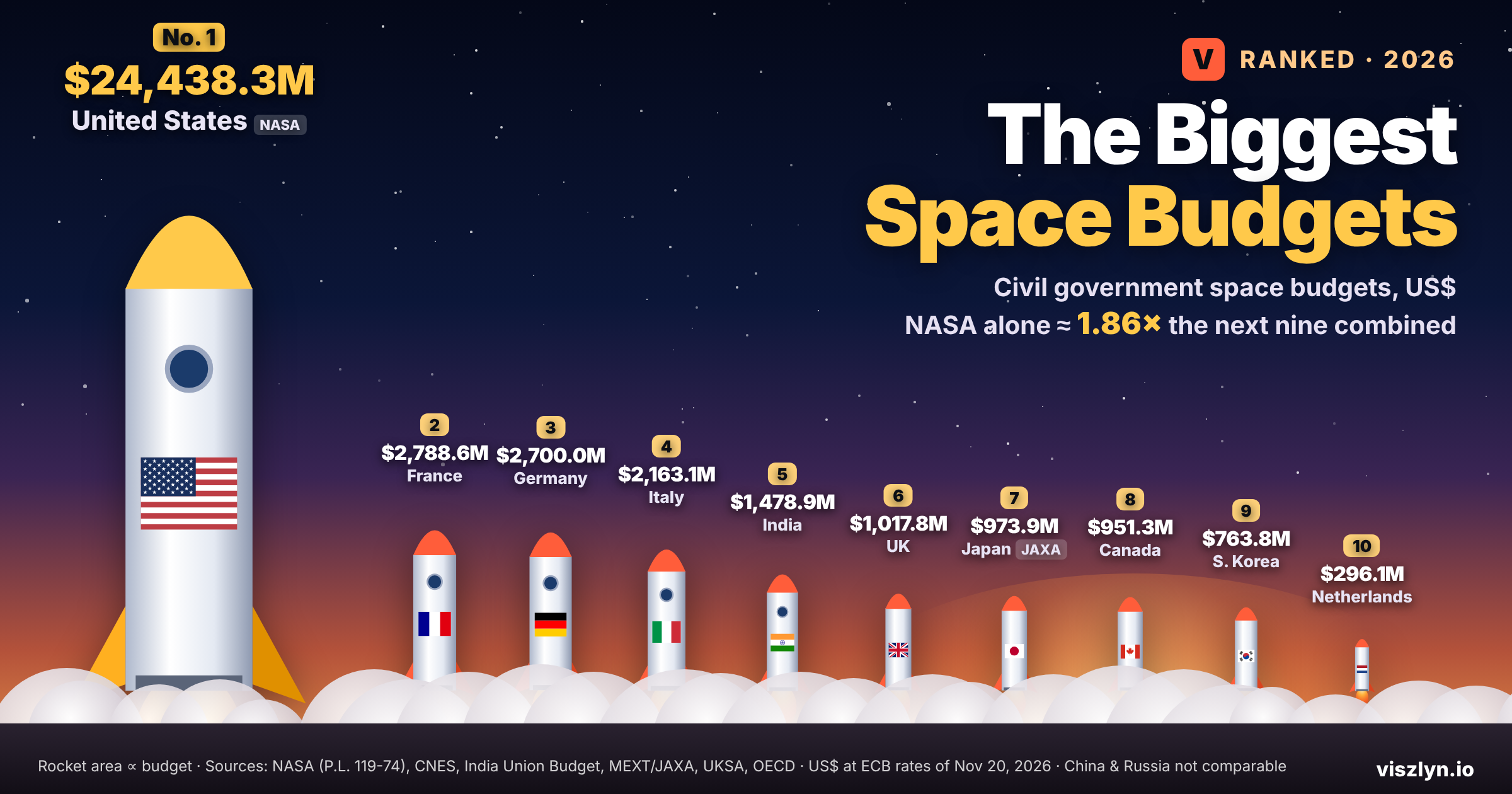
NASA's budget alone is nearly twice the combined published budgets of the next nine entries. Here are ten major national civil space programmes, using official budget documents and OECD figures, converted into US dollars at a common exchange rate.
Quick Answer
The United States spends the most on civil space: NASA's budget for fiscal 2026 is US$24,438.3 million, set by Public Law 119-74. France is second with €2,537.4 million (about US$2.79 billion) for CNES in 2025, followed by Germany (about US$2.70 billion), Italy (about US$2.16 billion) and India (about US$1.48 billion). China and Russia are not ranked because they do not publish consolidated civil space budget figures that can be compared with the others.
This ranking compares published civil space budget measures: the budgets of national space agencies and civil space programmes, not military space spending. Each figure comes from an official source: the US appropriations act for NASA, CNES's annual report, India's Union Budget, Japan's science ministry (MEXT), the UK Space Agency's audited accounts, and the OECD's compilation of national civil space budgets for Germany, Italy, Canada, South Korea and the Netherlands. Every figure is converted to US dollars using the same European Central Bank reference rates from November 20, 2026. This provides a common currency basis, although the scope of the published budgets differs between countries, as explained in each entry.
Why China and Russia are not on the list
China and Russia do not publish consolidated civil space budget figures in a directly comparable form. Both are major space powers, but their publicly available spending information cannot be reliably compared with the national civil space budgets in this ranking, so they are left out rather than given estimated figures. For scale, the consultancy Novaspace estimates that governments worldwide spent US$137.4 billion on space in 2025, civil and defence combined, with defence making up 54% (Novaspace press release, January 20, 2026).
Civil government space budgets (US$ millions)
Source: Official budgets (US, France, India, Japan, UK) and OECD (others); converted at ECB rates of Nov 20, 2026. Coverage differs by country: see each entry and the methodologyTap any country to jump to its details below.
Ranked #10 to #1
- Civil space budget:
- US$296.1 million (€269.4 million)
- Category:
- Europe
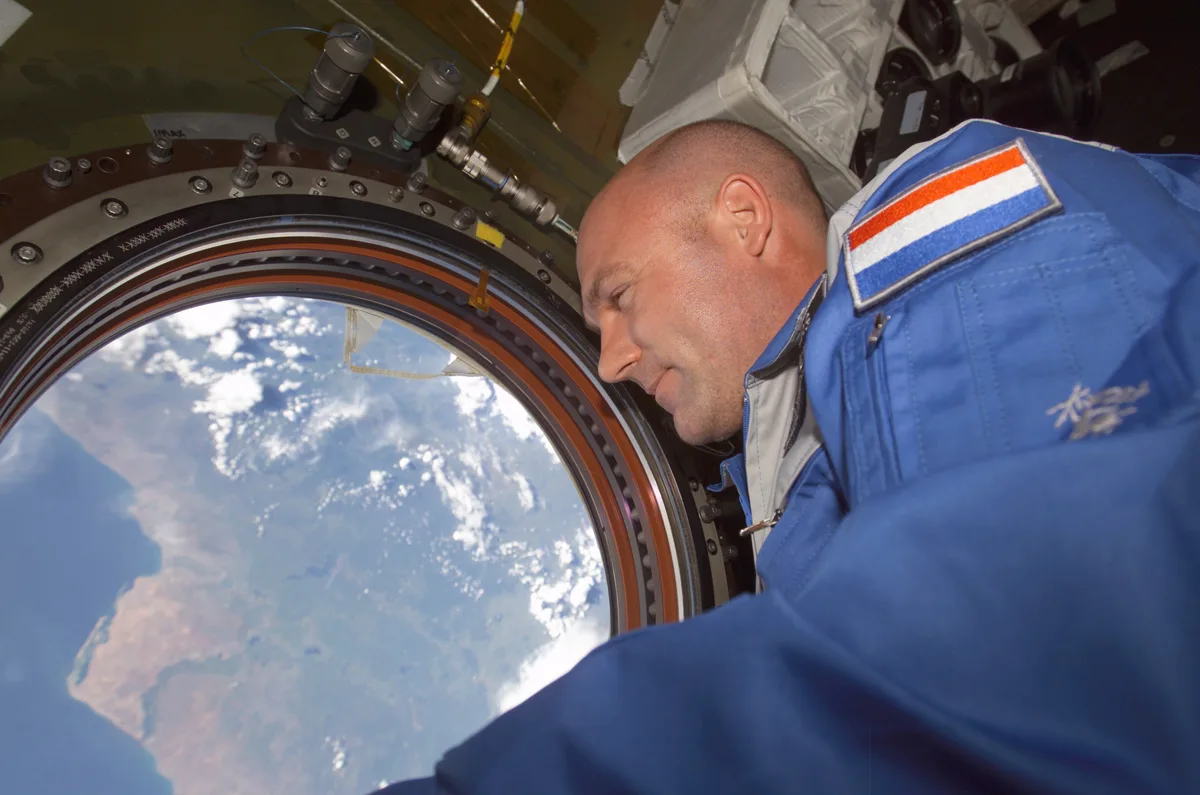
The Netherlands' civilian government space budget was €269.4 million in 2025, according to the OECD. It covers contributions to the European Space Agency (ESA) and Eumetsat, plus an estimated contribution to the EU Space Programme.
The OECD notes that ESA contributions make up the main bulk of the Dutch civil space budget.
Source: OECD, The Space Economy at a Glance 2026 (civil space budget, 2025); Converted to US$ by Viszlyn at ECB reference rates of November 20, 2026
- Civil space budget:
- US$763.8 million (₩1,023 billion)
- Category:
- Asia
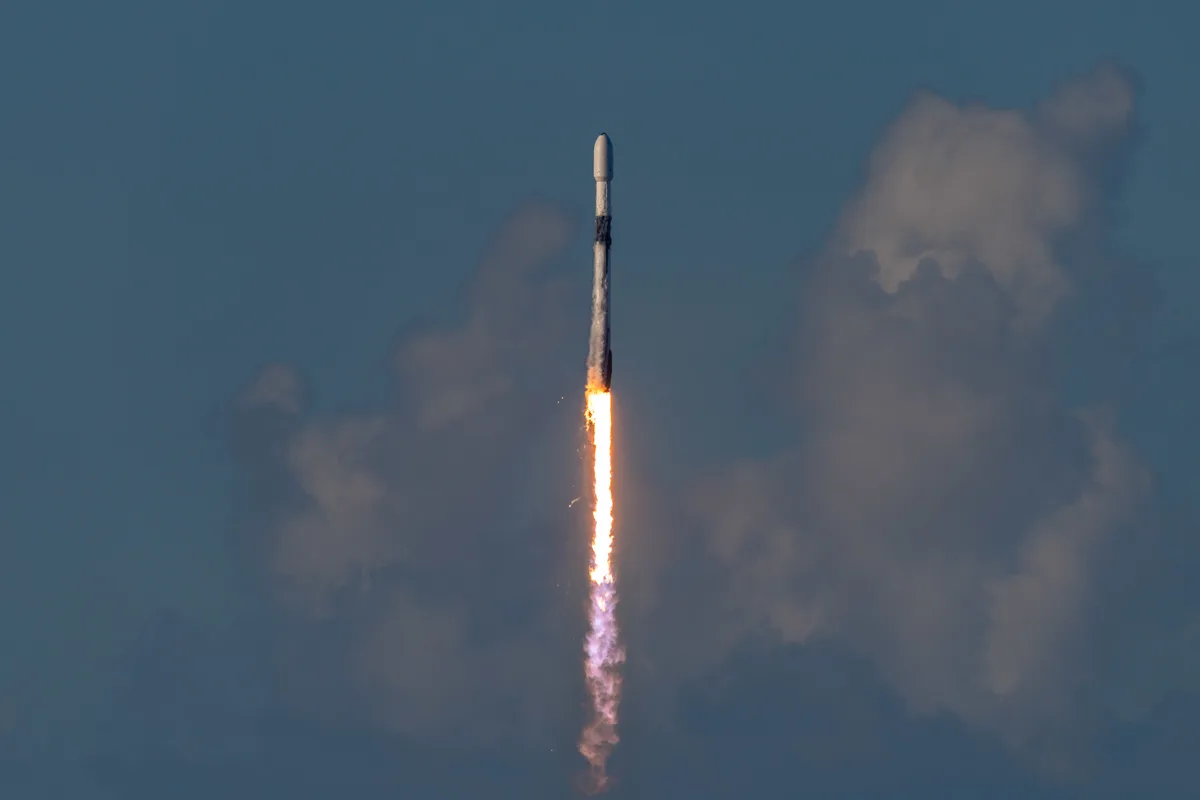
South Korea's civilian institutional space budget reached ₩1,023 billion in 2025, according to the OECD, mainly for space industry and satellite development, followed by space transportation.
A separate figure, not the same measure as the OECD's 2025 total: the 2026 budget of Korea's space agency KASA alone is ₩1.1201 trillion, as confirmed by the National Assembly on December 2, 2025 (Dong-A Science).
Source: OECD, The Space Economy at a Glance 2026 (civil space budget, 2025); Converted to US$ by Viszlyn at ECB reference rates of November 20, 2026
- Civil space budget:
- US$951.3 million (C$1,361 million)
- Category:
- Americas
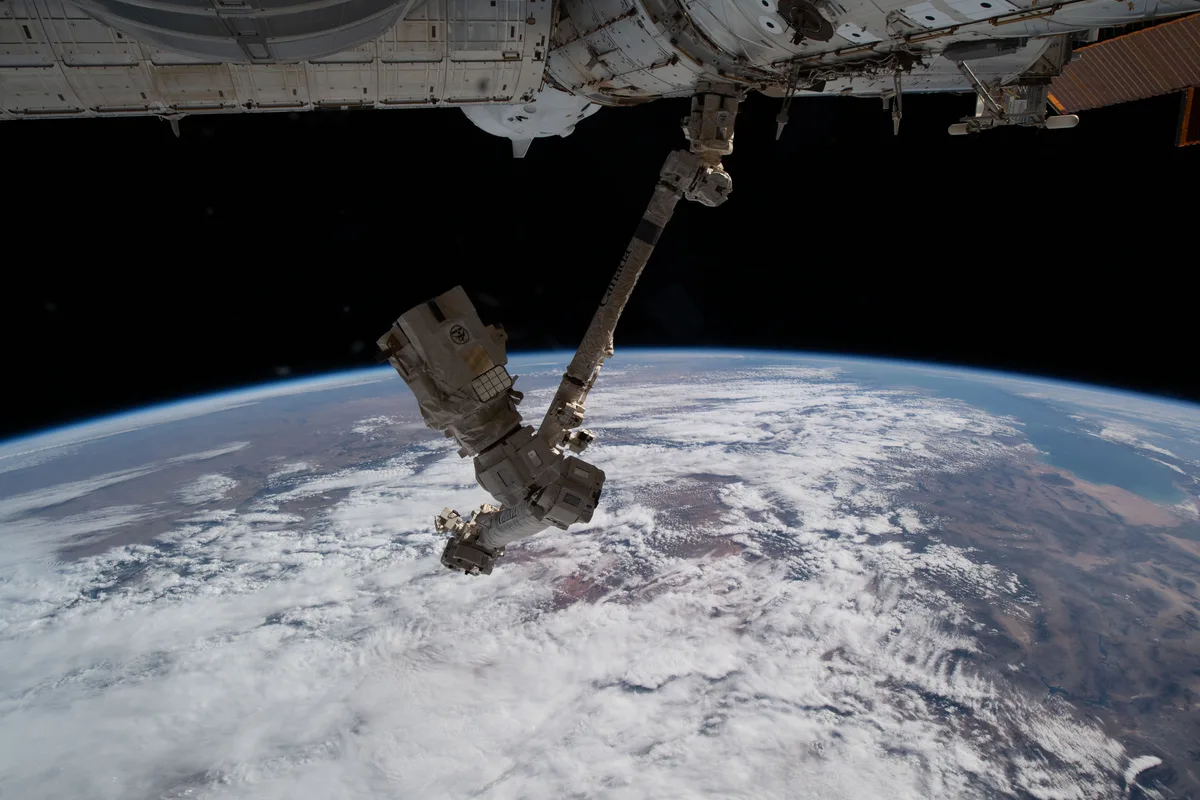
Canada's civilian institutional space budget was C$1,361 million in 2025, according to the OECD, covering the Canadian Space Agency and federal space spending, including Canada's ESA cooperation programmes.
The OECD says 2025 was raised by increased investment in ESA programmes and space exploration, and that the figure may not capture all space-related funding.
Source: OECD, The Space Economy at a Glance 2026 (civil space budget, 2025); Converted to US$ by Viszlyn at ECB reference rates of November 20, 2026
- Civil space budget:
- US$973.9 million (¥154.5 billion)
- Category:
- Asia
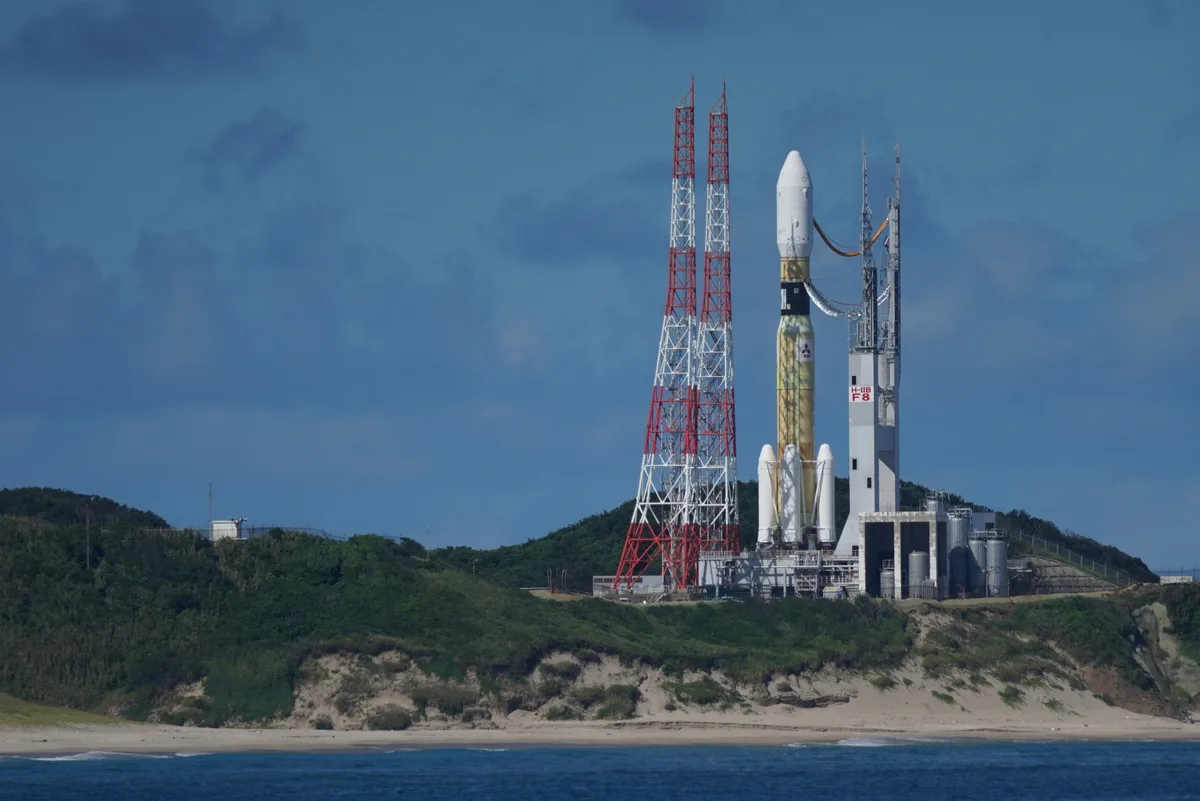
Japan's space agency JAXA had an initial budget of ¥154.5 billion for fiscal 2025, according to Japan's science ministry (MEXT). This is JAXA's budget only: it leaves out a ¥60.0 billion supplementary budget and other ministries' civil space programmes, because Japan publishes no official civil-only total for the whole government.
Japan has launched a Space Strategy Fund of ¥1 trillion over ten years to support private-sector and university space technology (Cabinet Office).
Source: MEXT, Space Development and Utilization Subcommittee, document 102-5 (February 4, 2026); Converted to US$ by Viszlyn at ECB reference rates of November 20, 2026
- Civil space budget:
- US$1,017.8 million (£775.5 million)
- Category:
- Europe
The UK Space Agency spent £775.5 million in the year to March 31, 2026, according to its audited annual accounts. This is the agency's spending, not every pound of UK government civil space spending. £601.7 million of that, about 78%, was the UK's subscription to the European Space Agency.
It was the agency's last annual report as a standalone body: the UK Space Agency merged into the Department for Science, Innovation and Technology on April 1, 2026.
Source: UK Space Agency, Annual Report and Accounts 2025–26; Converted to US$ by Viszlyn at ECB reference rates of November 20, 2026
- Civil space budget:
- US$1,478.9 million (₹13,705.63 crore)
- Category:
- Asia
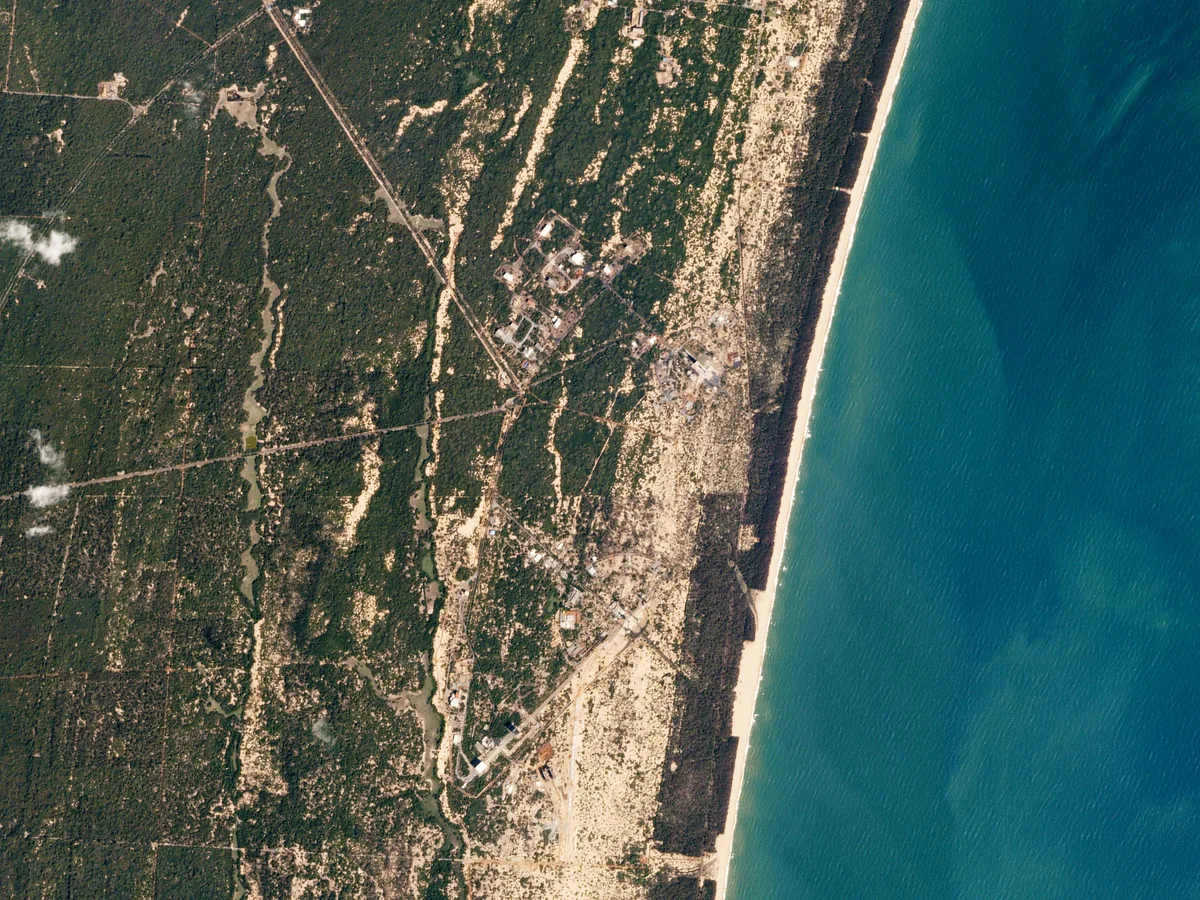
India's Department of Space, which runs ISRO, has a budget of ₹13,705.63 crore for 2026–27 in the Union Budget: ₹7,329.71 crore of revenue spending and ₹6,375.92 crore of capital spending.
That is up from actual spending of ₹11,518.65 crore in 2024–25, according to the same budget document.
Source: Union Budget 2026–27, Demand No. 95 (Department of Space); Converted to US$ by Viszlyn at ECB reference rates of November 20, 2026
- Civil space budget:
- US$2,163.1 million (€1,968.2 million)
- Category:
- Europe
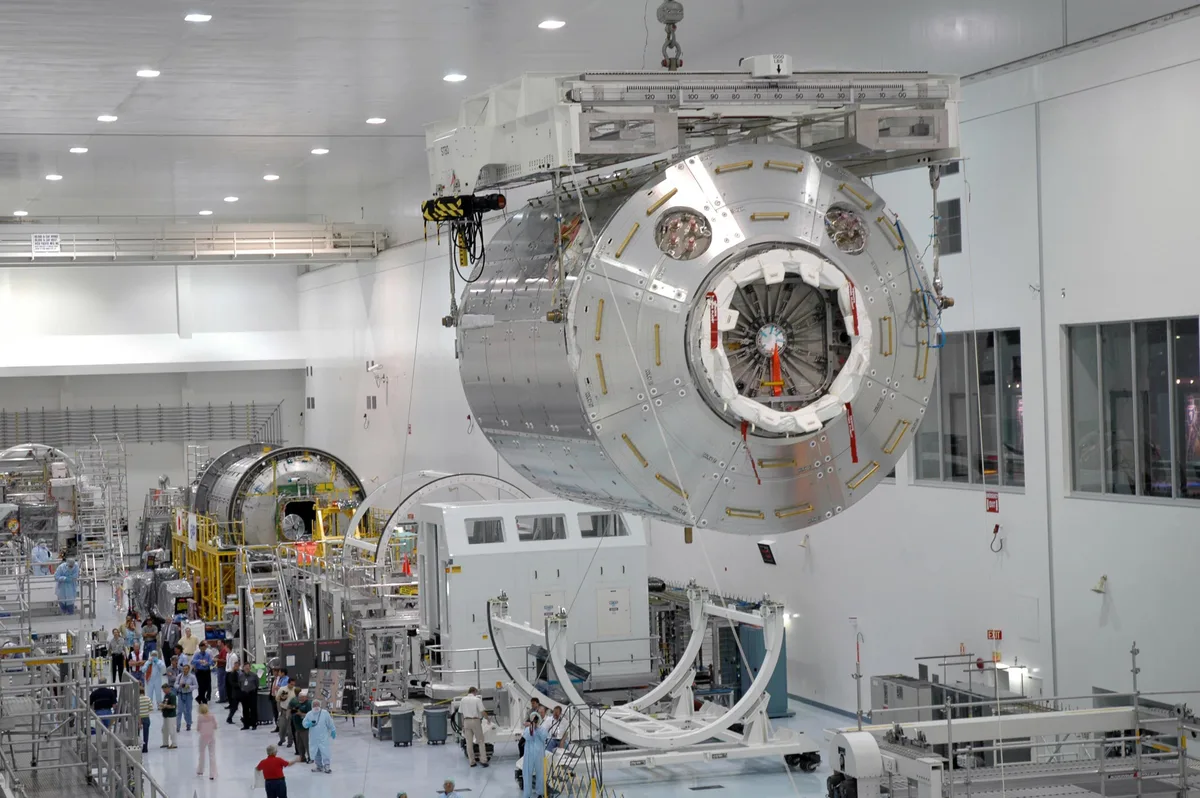
Italy's civilian space budget was €1,968.2 million in 2025, according to the OECD. It covers the Italian Space Agency (ASI) and ministry space spending, including Italy's contribution to ESA, which is channelled through ASI.
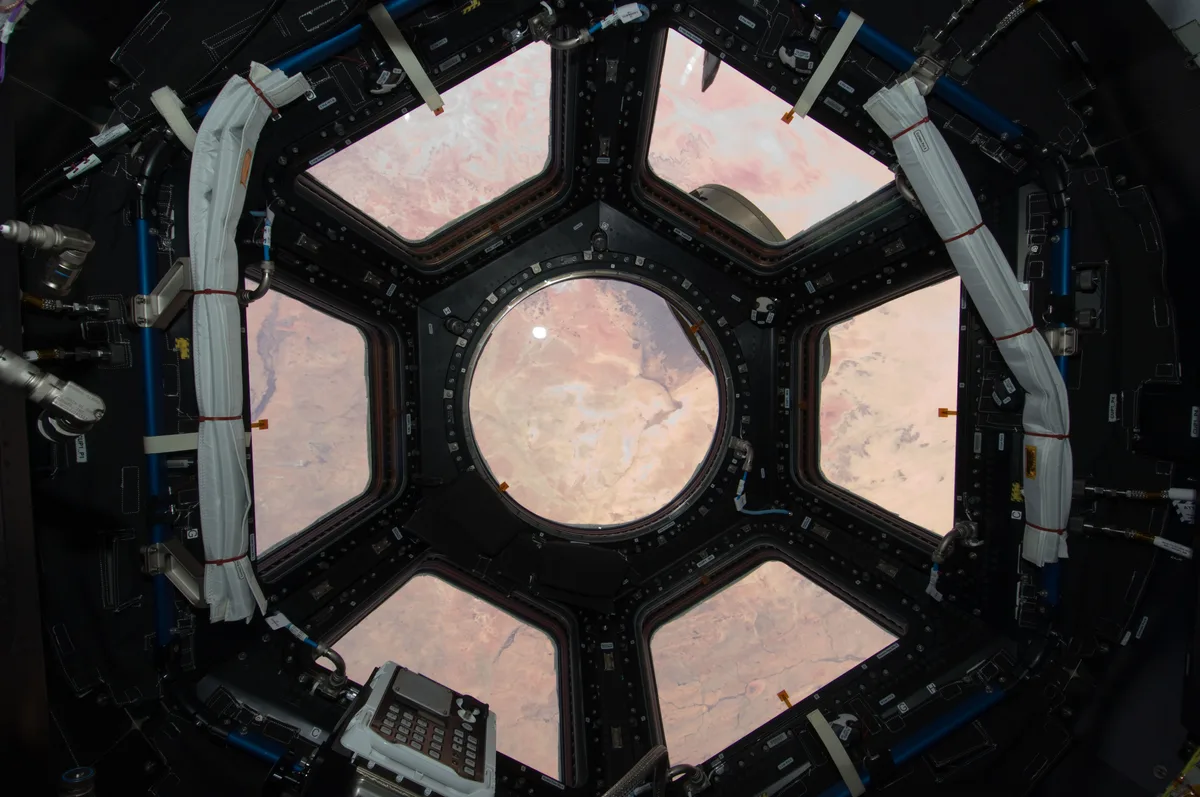
The International Space Station's Cupola, its seven-window observation module, was built in Turin, Italy.
Source: OECD, The Space Economy at a Glance 2026 (civil space budget, 2025); Converted to US$ by Viszlyn at ECB reference rates of November 20, 2026
- Civil space budget:
- US$2,700.0 million (€2,456.8 million)
- Category:
- Europe
Germany's civilian government space budget reached €2,456.8 million in 2025, according to the OECD, including national activities, contributions to ESA and Eumetsat, and an estimated contribution to the EU Space Programme.
Germany is ESA's biggest backer: it subscribed €5.067 billion for 2026–2028 at ESA's 2025 ministerial council.
Source: OECD, The Space Economy at a Glance 2026 (civil space budget, 2025); Converted to US$ by Viszlyn at ECB reference rates of November 20, 2026
- Civil space budget:
- US$2,788.6 million (€2,537.4 million)
- Category:
- Europe
France's space agency CNES had a total budget of €2,537.4 million in 2025, according to its annual report. This is the whole CNES budget, not a civil-only government allocation: it includes €562.9 million of external contract revenue and France's €897.1 million contribution to ESA, which CNES pays.
CNES also carries out defence-related work (€682.1 million in 2025, under its "Defence and strategic independence" theme) and publishes no civil-only split, so France's figure is the agency's total budget.
Source: CNES, Annual Report 2025 (2025 budget, p. 11); Converted to US$ by Viszlyn at ECB reference rates of November 20, 2026
- Civil space budget:
- US$24,438.3 million
- Category:
- Americas
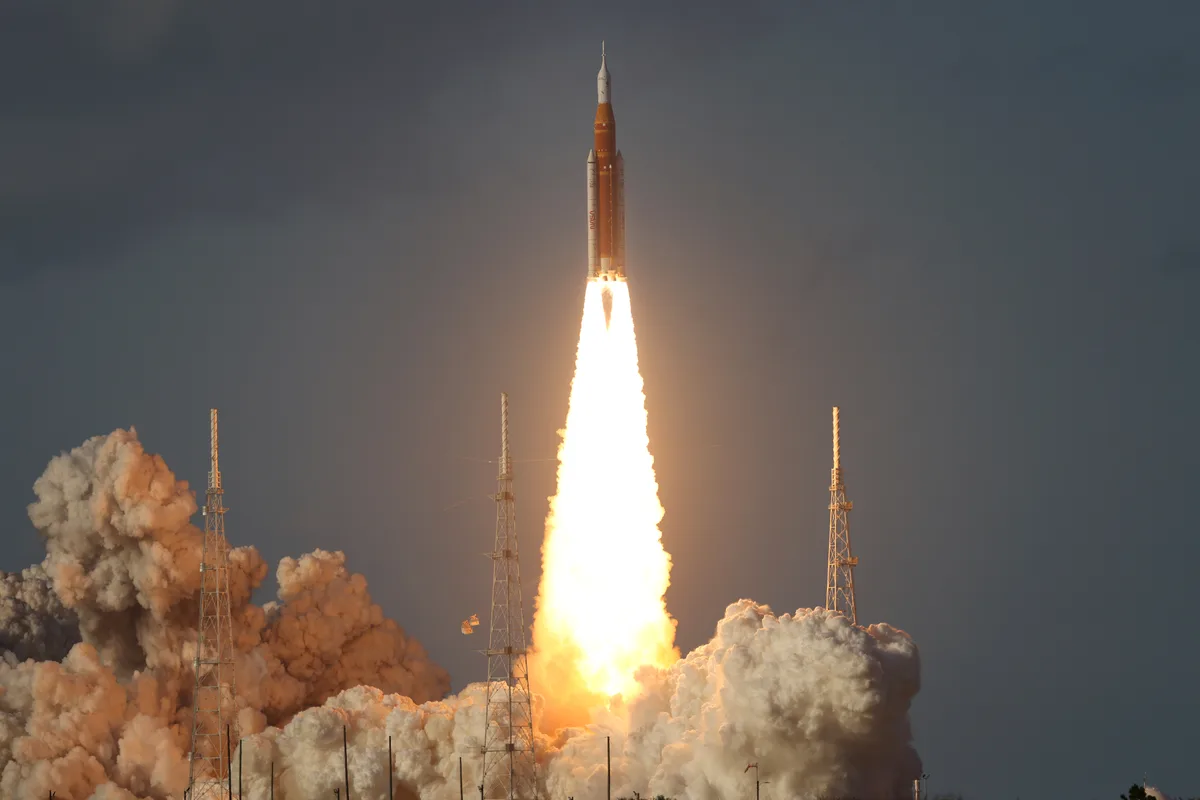
Congress gave NASA US$24,438.3 million for fiscal 2026 in Public Law 119-74, enacted on January 23, 2026. The biggest accounts are Exploration (US$7,783.0 million), Science (US$7,250.0 million) and Space Operations (US$4,175.0 million).
NASA's FY2026 budget alone is about 1.86 times the combined published budgets of the other nine entries (US$13,133.5 million, calculated). The comparison is illustrative, because those figures have differing national and agency-level coverage.
Source: Public Law 119-74 (Commerce, Justice, Science and Related Agencies Appropriations Act, 2026)
What the numbers tell us
NASA's regular FY2026 appropriation is about 1.86 times the combined published budget figures of the other nine entries. This is an illustrative comparison, as the underlying national figures do not all have identical coverage. All US$ conversions and totals are Viszlyn calculations.
- Data period:
- Latest official civil space budgets: US fiscal 2026; India 2026–27; UK 2025–26 outturn; Japan fiscal 2025; France and OECD countries 2025
- Last updated:
- November 21, 2026
- Sources:
- United States: Public Law 119-74 (NASA accounts). France: CNES Annual Report 2025. India: Union Budget 2026–27, Notes on Demands for Grants, Demand No. 95. Japan: MEXT, Space Development and Utilization Subcommittee, 102nd meeting (February 4, 2026), document 102-5. United Kingdom: UK Space Agency Annual Report and Accounts 2025–26. Germany, Italy, Canada, South Korea and the Netherlands: OECD, The Space Economy at a Glance 2026, country profiles. Exchange rates: European Central Bank euro reference rates, November 20, 2026. Context: Novaspace press release, January 20, 2026.
- Source links:
- US Public Law 119-74 (NASA appropriation, FY2026)
- CNES Annual Report 2025
- India Union Budget 2026–27: Department of Space (Demand No. 95)
- MEXT: JAXA budget, document 102-5 (Japanese)
- UK Space Agency Annual Report and Accounts 2025–26
- OECD: The Space Economy at a Glance 2026
- Novaspace: Global space spending reaches $137B (Jan 20, 2026)
Countries are ranked by their civil government space budget: space agency and civil ministry spending, excluding military space. Each figure is the latest available from an official source, so fiscal years differ slightly between countries and are stated in each entry. Original-currency figures are as published; US dollar values are Viszlyn conversions at ECB reference rates of November 20, 2026 (US$ per €1: 1.0990), so they can differ slightly from US$ figures printed by the OECD. European countries' figures already include their contributions to the European Space Agency, so ESA's own budget is not added or ranked. Coverage differs between countries, so this is a comparison of published national and agency-level civil space budgets rather than a perfectly like-for-like one. Japan's figure is JAXA's initial budget only (it excludes a ¥60.0 billion supplementary budget and other ministries' programmes). The UK figure is UK Space Agency spending only. France's figure is the total CNES budget, which includes €682.1 million of defence-related work and €562.9 million of external contract revenue. The German, Italian, Canadian, South Korean and Dutch figures are the OECD's broader institutional civil budgets. The US figure is NASA's regular FY2026 appropriation, not every federal dollar available to NASA: it excludes about US$3.1 billion of extra NASA funding enacted separately in a 2025 reconciliation law. China and Russia are not ranked because they do not publish consolidated civil space budget figures in a directly comparable form.
Figures marked as estimates are based on publicly available information and may vary from other published sources.
Frequently Asked Questions
The United States. NASA's budget for fiscal 2026 is US$24,438.3 million (Public Law 119-74), about 1.86 times the combined published budgets of the next nine entries in this ranking. That excludes US military space spending, which is counted separately.