The 10 Highest Mountains in the World
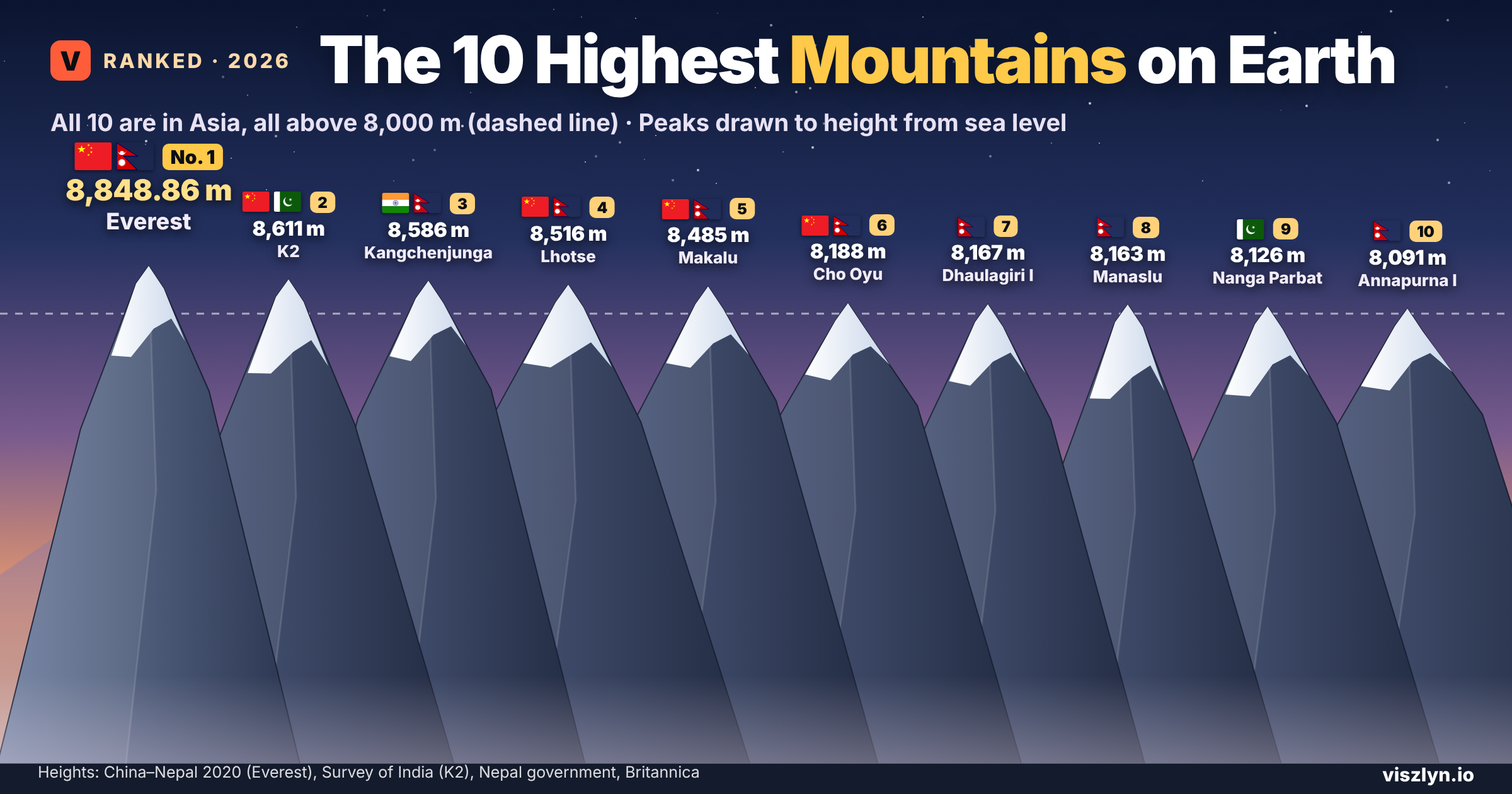
Every one of the world's 10 highest mountains is in Asia, and every one rises above 8,000 metres. Here they are, ranked by official height above sea level, with who climbed them first.
Quick Answer
Mount Everest is the highest mountain in the world at 8,848.86 metres (29,031.69 feet) above sea level, the height China and Nepal announced jointly in December 2020. K2 is second at 8,611 m (28,251 ft) and Kangchenjunga third at 8,586 m (28,169 ft). All 10 of the highest mountains are in Asia: nine in the Himalaya and one, K2, in the Karakoram.
Fourteen mountains on Earth rise more than 8,000 metres above sea level, and all of them are in Asia. This ranking lists the 10 highest by the elevation of their main summit. Where a government has measured a peak, we use its official figure, such as the 2020 China–Nepal height for Everest. Where no newer survey has been officially adopted, we use the standard figure printed in maps and encyclopedias, and we note the main alternative heights in each entry. None of the alternatives changes the order of the top 10.
Tallest is not the same as highest
Everest has the highest summit above sea level. But measured from its base on the deep ocean floor, Hawaii's Mauna Kea is taller: the US Geological Survey says it rises 13,796 feet (4,205 m) above sea level and extends about 19,700 feet (6,000 m) below it, for a total height of nearly 33,500 feet (10,211 m). The highest mountain outside Asia is Aconcagua in Argentina, at 6,960.8 m, the figure announced by Argentina's national geographic institute in 2012.
Height above sea level (metres)
Source: Official and standard published elevations (China–Nepal 2020, Survey of India, Nepal government, Britannica)Tap any mountain to jump to its details below.
Ranked #10 to #1
- Height:
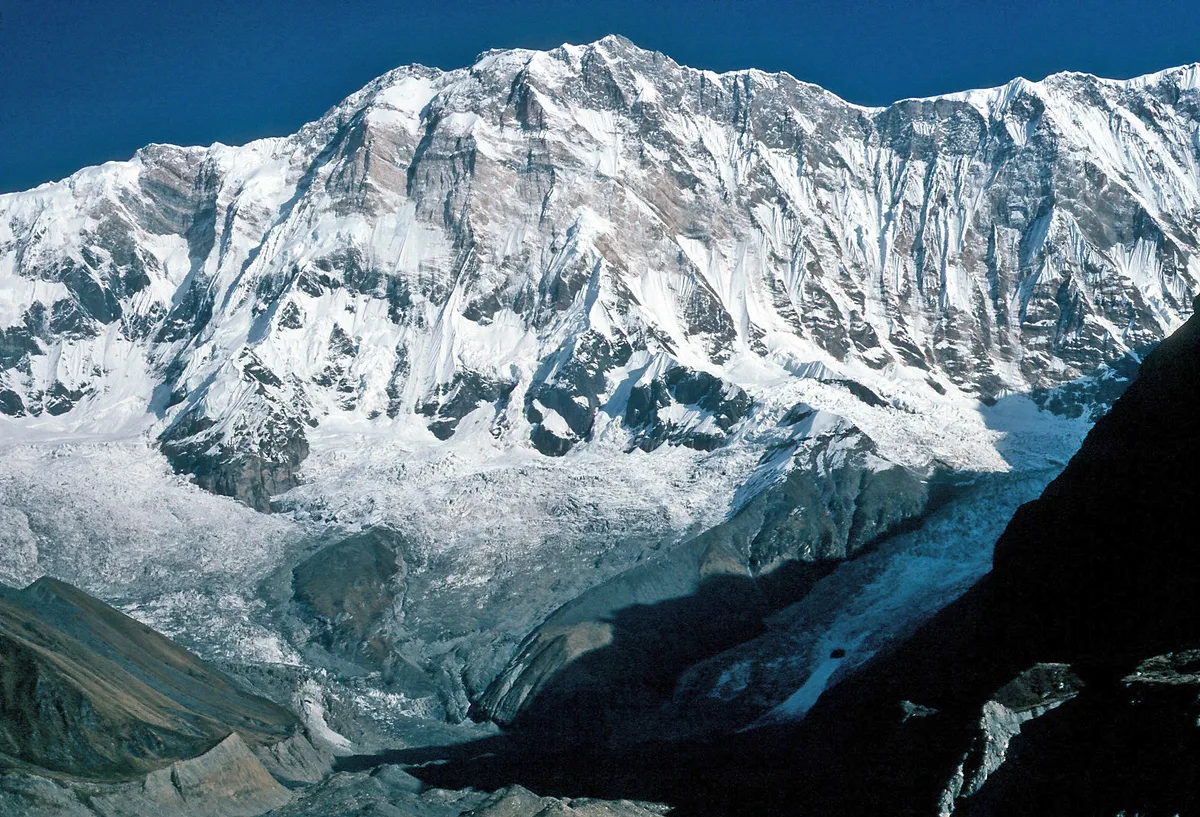
- 8,091 m (26,545 ft)
- Category:
- Himalaya
Annapurna I was the first 8,000-metre peak ever climbed, by the French climbers Maurice Herzog and Louis Lachenal on June 3, 1950, three years before Everest.
Annapurna I has historically ranked among the most dangerous 8,000-metre peaks, measured by recorded deaths compared with successful summits (Himalayan Database).
Source: Nepal Department of Tourism, Mountaineering in Nepal: Facts and Figures 2025; Himalayan Database
- Height:
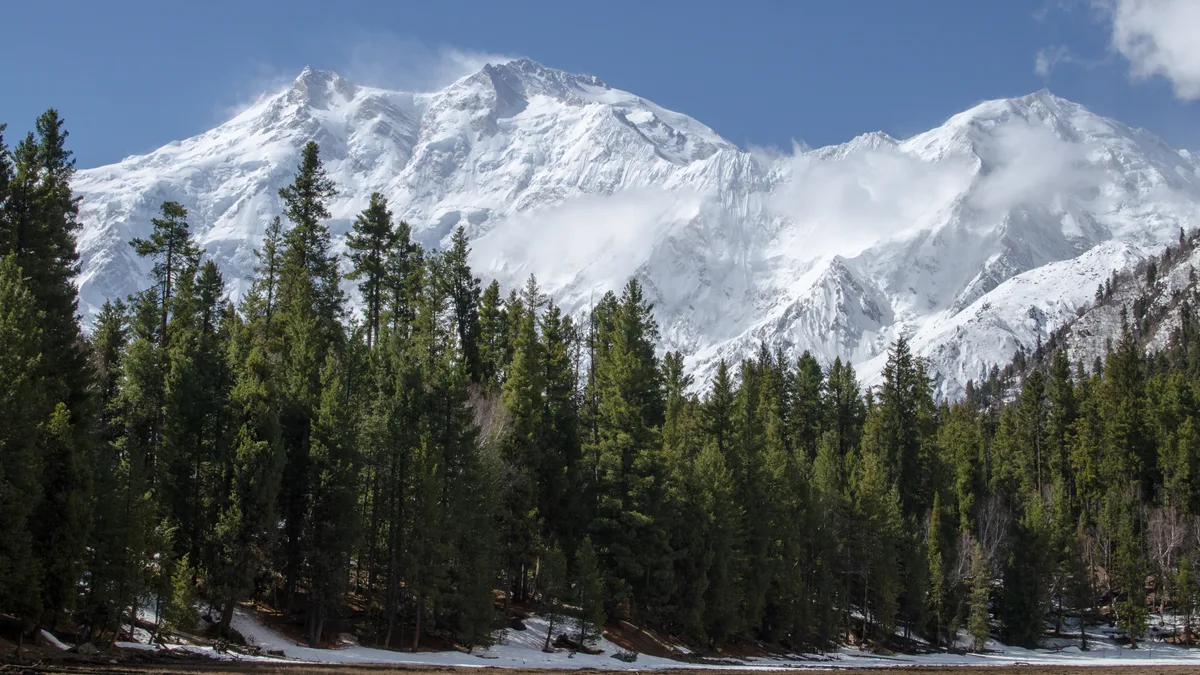
- 8,126 m (26,660 ft)
- Category:
- Himalaya
Nanga Parbat, at the western end of the Himalaya, was first climbed by the Austrian Hermann Buhl on July 3, 1953, alone and without supplementary oxygen.
Its steep south face rises nearly 15,000 feet (4,600 m) above the valley immediately below it (Encyclopaedia Britannica).
Source: Encyclopaedia Britannica
- Height:
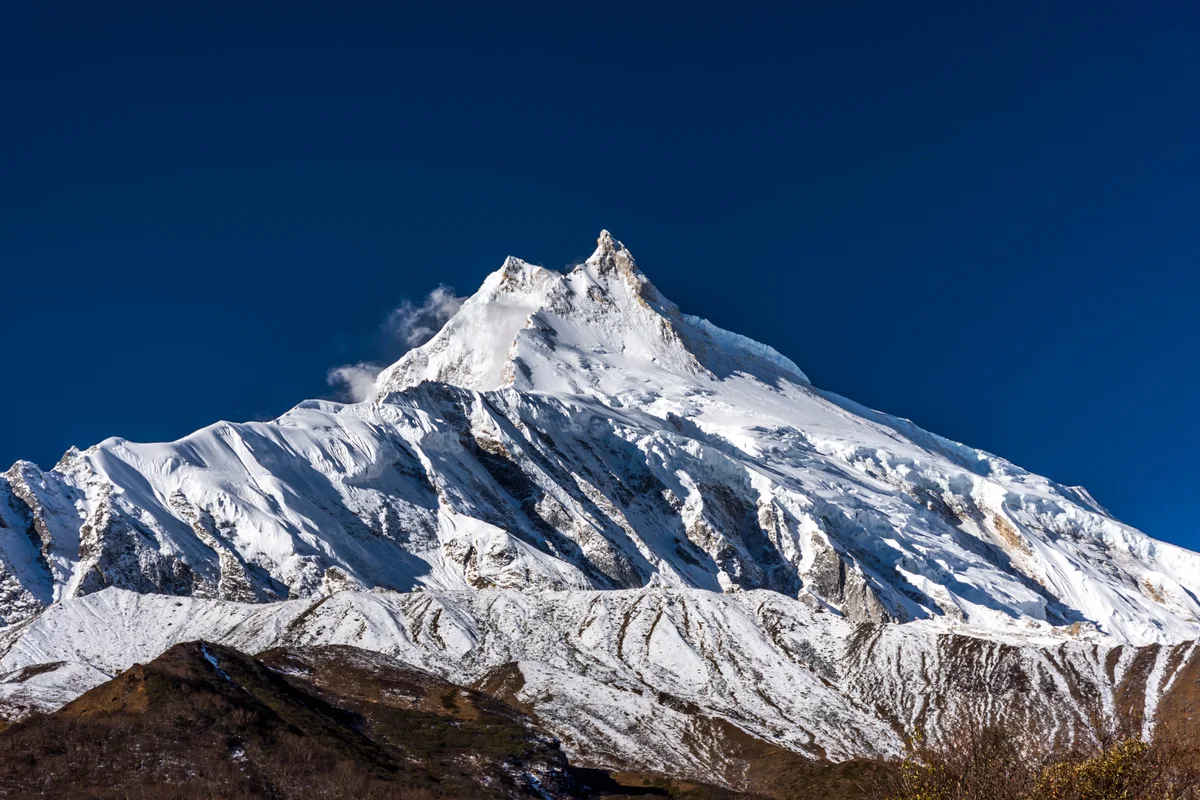
- 8,163 m (26,781 ft)
- Category:
- Himalaya
Manaslu was first climbed on May 9, 1956, by Toshio Imanishi and Gyalzen Norbu of a Japanese expedition. Nepal's Department of Tourism lists it at 8,163 m; an older survey figure of 8,156 m is still sometimes printed.
Its first winter ascent, by Maciej Berbeka and Ryszard Gajewski on January 12, 1984, was the first winter climb of an 8,000-metre peak made without supplementary oxygen (American Alpine Journal).
Source: Nepal Department of Tourism, Mountaineering in Nepal: Facts and Figures 2025; American Alpine Journal
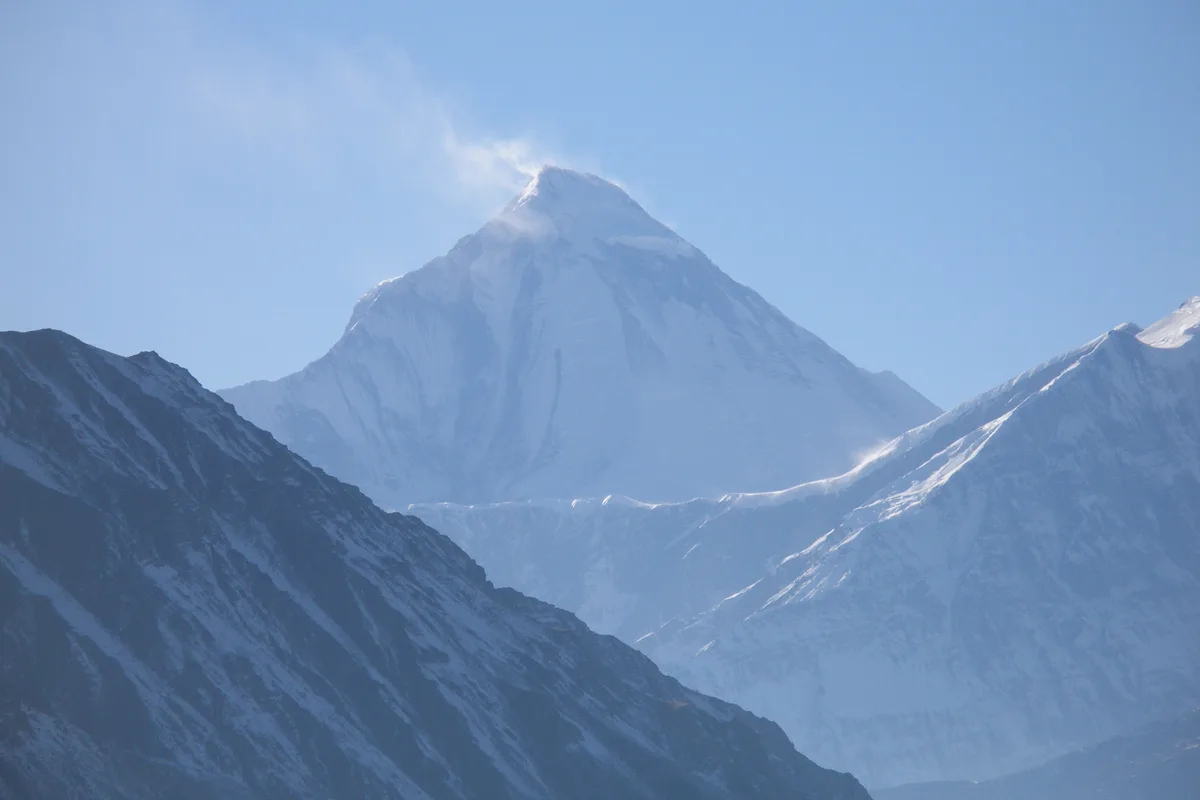
- Height:
- 8,167 m (26,795 ft)
- Category:
- Himalaya
Dhaulagiri I was first climbed on May 13, 1960, by six members of a Swiss-led expedition: Kurt Diemberger, Peter Diener, Ernst Forrer, Albin Schelbert, Nawang Dorji and Nyima Dorji (Nepal Tourism Board).
It is the highest mountain that lies entirely within one country: all of Dhaulagiri I is in Nepal.
Source: Nepal Tourism Board
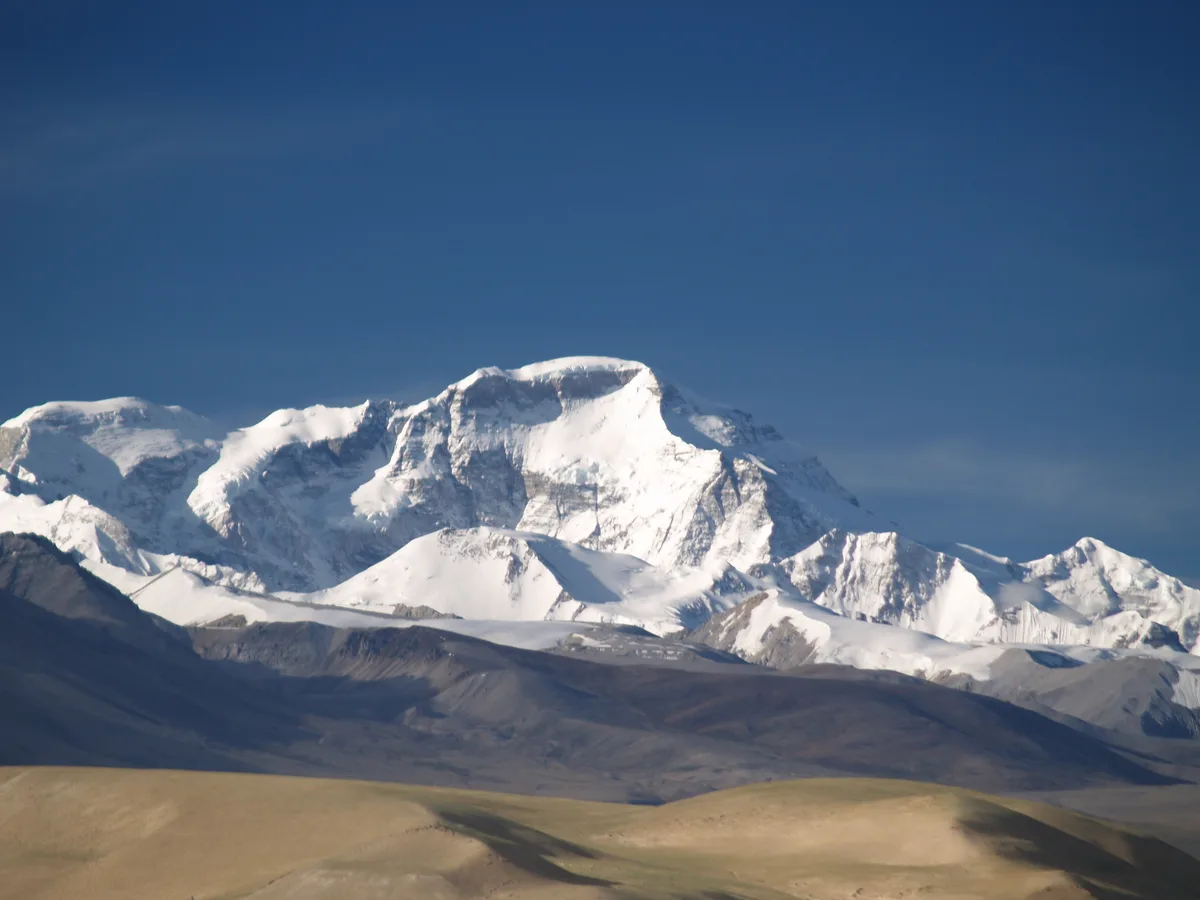
- Height:
- 8,188 m (26,864 ft)
- Category:
- Himalaya
Cho Oyu was first climbed on October 19, 1954, by Herbert Tichy, Joseph Jöchler and Pasang Dawa Lama. Its height of 8,188 m comes from a 1996 survey for Nepal's national maps; an older 1984 estimate of 8,201 m is still printed by Encyclopaedia Britannica and the Nepal Tourism Board.
Its first winter ascent, by Maciej Berbeka and Maciej Pawlikowski on February 12, 1985, was made on a new route.
Source: Survey Department of Nepal / Finnish Meteorological Institute (1996 measurement)
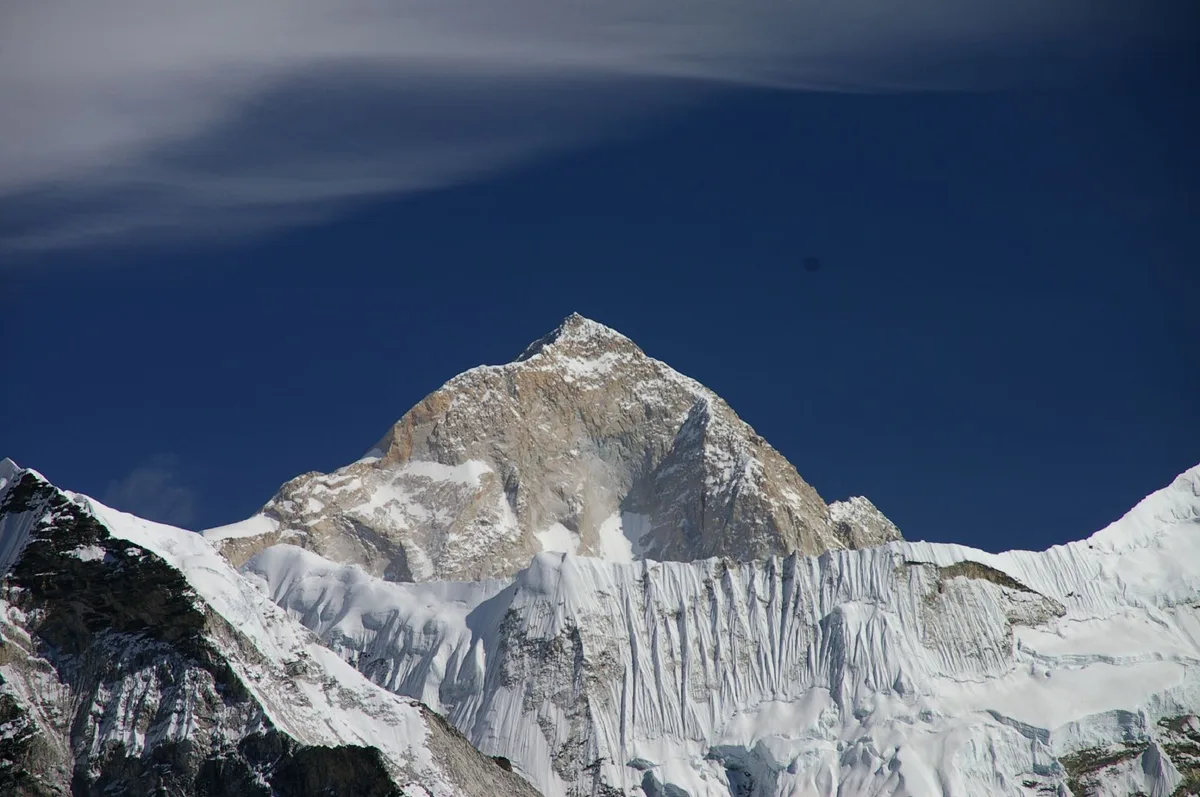
- Height:
- 8,485 m (27,838 ft)
- Category:
- Himalaya
Makalu, in the same Mahalangur Himal range as Everest, was first climbed on May 15, 1955, by the French climbers Lionel Terray and Jean Couzy. Makalu is generally listed at 8,485 m in international mountaineering references. Nepal's Department of Tourism uses an older measurement of 8,463 m in its 2025 publication; the standard 8,485 m figure is used for this ranking.
Simone Moro and Denis Urubko made its first winter ascent on February 9, 2009, making Makalu the last of Nepal's 8,000-metre peaks to be climbed in winter (American Alpine Journal).
Source: Standard international reference figure; Nepal Department of Tourism, Mountaineering in Nepal: Facts and Figures 2025 (8,463 m); American Alpine Journal
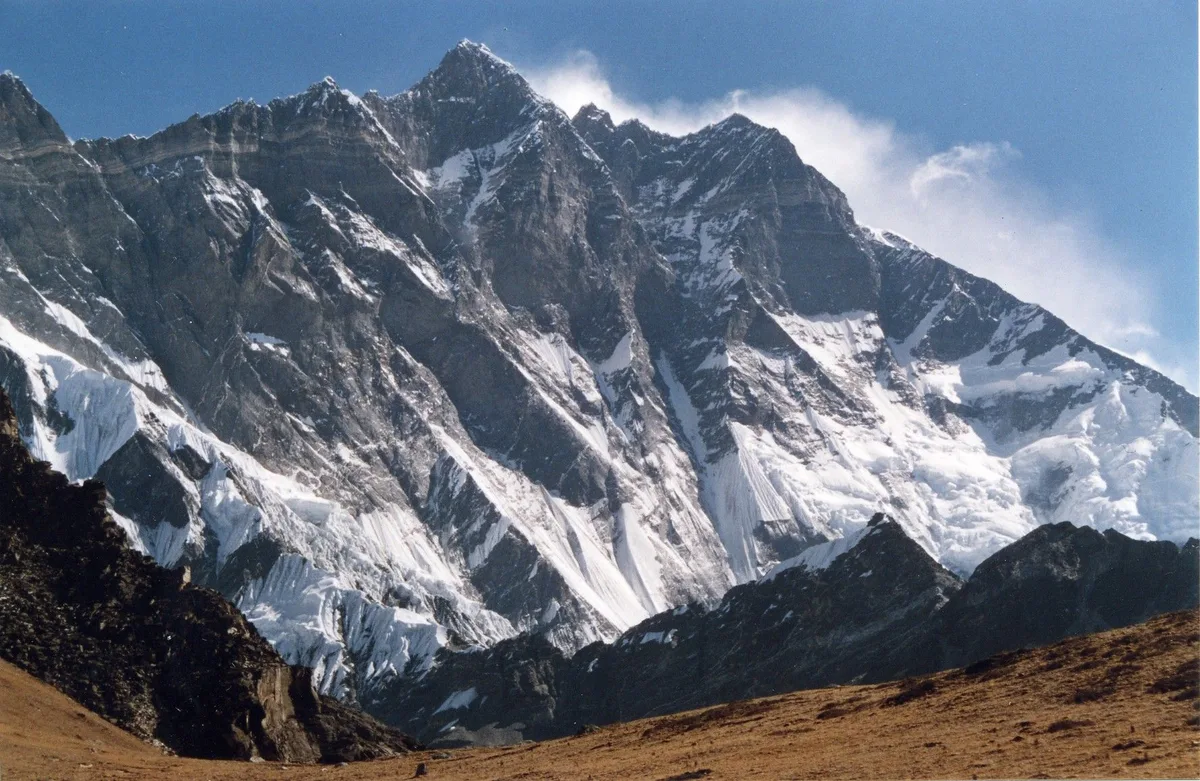
- Height:
- 8,516 m (27,940 ft)
- Category:
- Himalaya
Lhotse is Everest's neighbour, joined to it by the South Col. The Swiss climbers Ernst Reiss and Fritz Luchsinger first reached its summit on May 18, 1956.
Its subsidiary summit, Lhotse Middle (8,414 m), was long the highest unclimbed named point on Earth, until a Russian team reached it on May 23, 2001.
Source: Encyclopaedia Britannica; Nepal Tourism Board
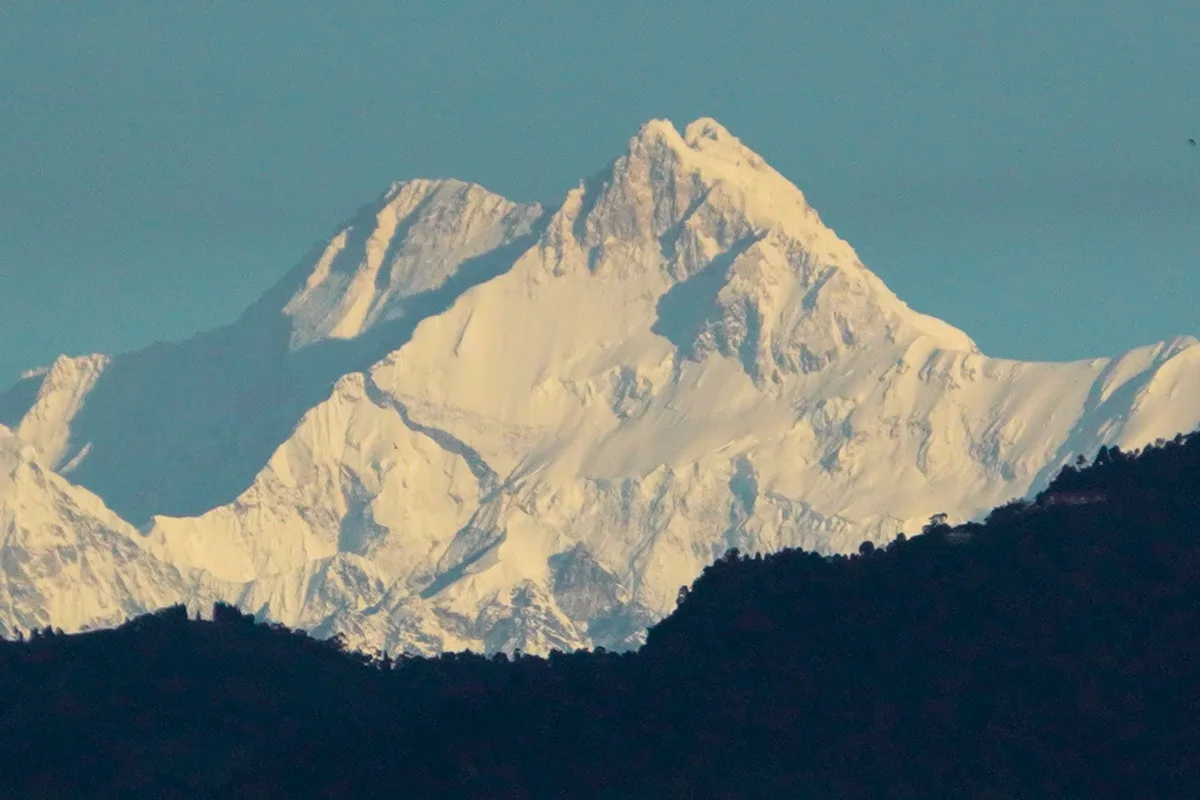
- Height:
- 8,586 m (28,169 ft)
- Category:
- Himalaya
Kangchenjunga, on the border of Nepal and India's state of Sikkim, was first climbed on May 25, 1955, by the British climbers Joe Brown and George Band. Nepal's Department of Tourism lists it at 8,586 m; Survey of India maps have printed 8,598 m.
Brown and Band stopped just short of the true summit, honouring an agreement with Sikkim's authorities to leave the sacred peak untouched. Many climbers have continued the tradition (British Mountaineering Council).
Source: Nepal Department of Tourism, Mountaineering in Nepal: Facts and Figures 2025; British Mountaineering Council
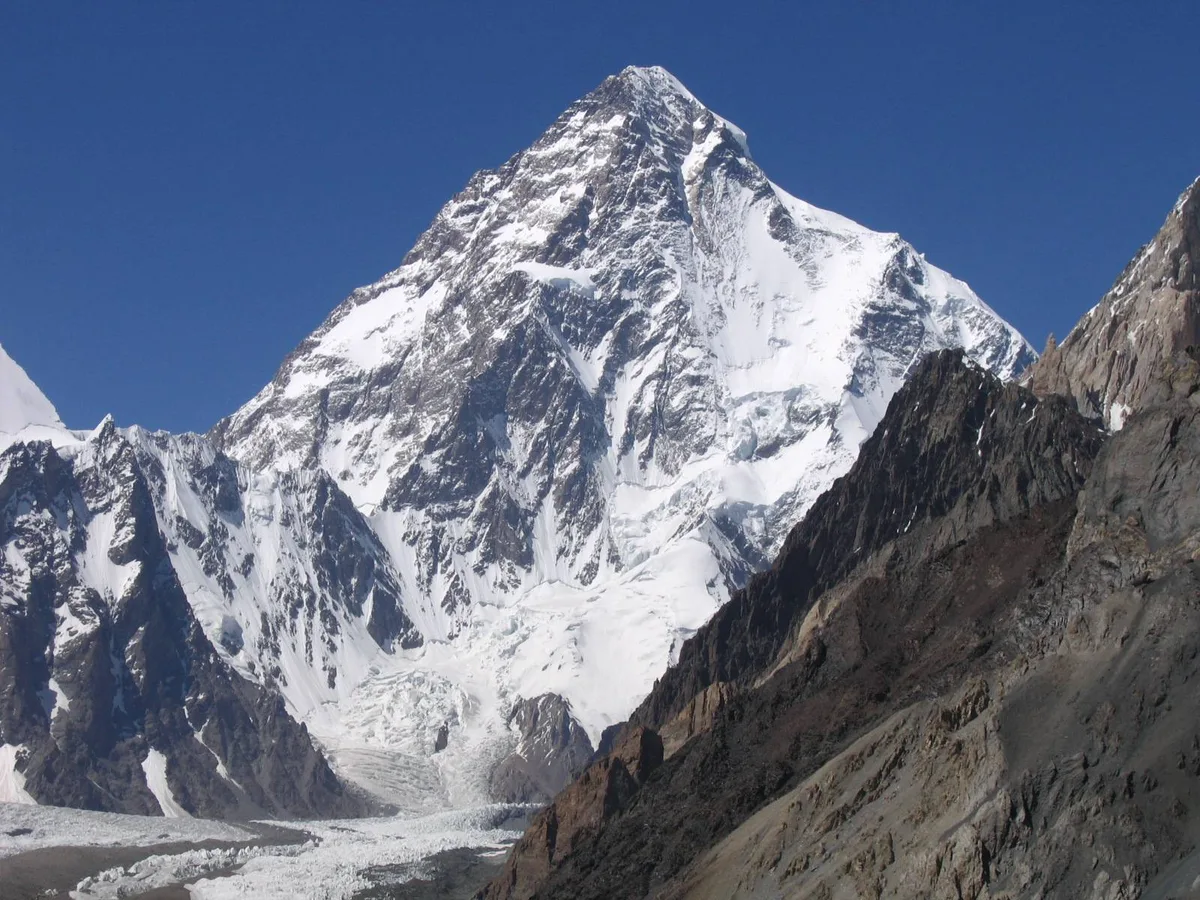
- Height:
- 8,611 m (28,251 ft)
- Category:
- Karakoram
K2 stands on the border between China and Pakistan, in a region also claimed by India. The Italian climbers Achille Compagnoni and Lino Lacedelli first reached its summit on July 31, 1954. Its official height, 8,611 m, is the Survey of India figure; later survey results, from 8,616 m (an Italian measurement reported in 1988) to 8,609.02 m (a 2014 GPS survey), have never been officially adopted.
It was the last 8,000-metre peak to be climbed in winter: a team of ten Nepali climbers reached the top on January 16, 2021.
Source: Survey of India figure (Encyclopaedia Britannica, Guinness World Records); UIAA
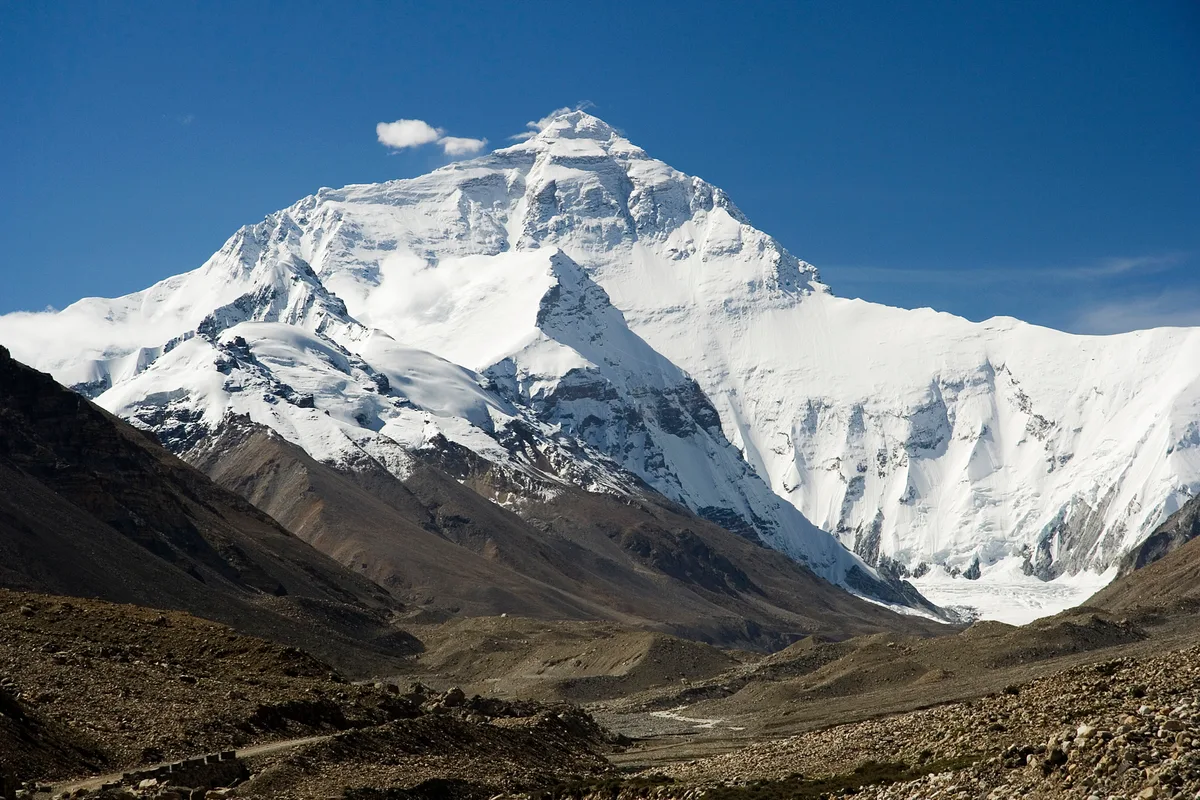
- Height:
- 8,848.86 m (29,031.69 ft)
- Category:
- Himalaya
Everest's height of 8,848.86 m was announced jointly by China and Nepal on December 8, 2020, after separate surveys by both countries, the first time they agreed on one figure. Edmund Hillary and Tenzing Norgay first reached the summit on May 29, 1953.
It was also the first 8,000-metre peak climbed in winter: Leszek Cichy and Krzysztof Wielicki of Poland reached the top on February 17, 1980 (Guinness World Records).
Source: China–Nepal joint announcement, December 8, 2020 (reported by NPR and Nature); Guinness World Records
What the numbers tell us
All 10 peaks are within 758 metres of each other, and all stand in the Himalaya or the Karakoram. K2 is the only one outside the Himalaya.
- Data period:
- Official and standard published elevations, as of November 2026
- Last updated:
- November 21, 2026
- Sources:
- Everest: joint China–Nepal announcement of December 8, 2020, as reported by NPR and Nature. K2: Survey of India figure, as published by Encyclopaedia Britannica and Guinness World Records. Kangchenjunga and Manaslu: Nepal Department of Tourism, Mountaineering in Nepal: Facts and Figures 2025. Makalu: standard international reference figure (Nepal's Department of Tourism lists 8,463 m). Lhotse and Nanga Parbat: Encyclopaedia Britannica. Cho Oyu: 1996 measurement by Nepal's Survey Department and the Finnish Meteorological Institute. Dhaulagiri I: Nepal Tourism Board. Annapurna I: figure used by Nepal's Department of Tourism. First ascents and facts: Guinness World Records, the UIAA, the British Mountaineering Council, the Himalayan Database, the American Alpine Journal, the Himalayan Journal, the Nepal Tourism Board and Encyclopaedia Britannica. Mauna Kea: US Geological Survey. Aconcagua: Argentina's Instituto Geográfico Nacional.
- Source links:
- NPR: Everest's new official height (December 8, 2020)
- Nature: news report on Everest's new official height
- Guinness World Records: first ascent of K2
- Nepal Department of Tourism: Mountaineering in Nepal, Facts and Figures 2025 (PDF)
- UIAA: First winter ascent of K2
- British Mountaineering Council: Kangchenjunga's first ascent
- Himalayan Database: Most dangerous peaks (deaths/summits)
- American Alpine Journal: 1988 Italian measurement of K2 (8,616 m)
- GPS World: Steep Questions: How Tall is K2? (2014 result, 8,609.02 m)
- Argentina IGN: Aconcagua's official height
- Encyclopaedia Britannica: Lhotse
- Encyclopaedia Britannica: Nanga Parbat
- Nepal Tourism Board: Dhaulagiri
- Himalayan Journal: Which is the highest mountain in the world?
- USGS: How big are the Hawaiian volcanoes?
- Nepal Tourism Board: Cho Oyu
- Encyclopaedia Britannica: Cho Oyu
Mountains are ranked by the height of their main summit above sea level. Heights are given in metres and feet as published by the source; no figures were converted. Heights fall into two categories: government-published elevations (Everest, Kangchenjunga, Lhotse, Manaslu, Cho Oyu, Dhaulagiri I, Annapurna I), and standard international reference elevations where government figures differ or are unavailable (K2, Makalu, Nanga Parbat). Makalu is the one case where the Nepal government's figure (8,463 m) differs from the standard reference figure (8,485 m) used here. Several peaks have competing published heights (K2: 8,609–8,616 m; Kangchenjunga: 8,598 m; Makalu: 8,463 m; Cho Oyu: 8,201 m; Manaslu: 8,156 m), and none of these alternatives changes the ranking order. Countries are listed as published by the sources: for border peaks, both bordering countries are shown. Subsidiary summits (such as Lhotse Middle) are not ranked separately.
Figures marked as estimates are based on publicly available information and may vary from other published sources.
Frequently Asked Questions
Mount Everest, at 8,848.86 metres (29,031.69 feet) above sea level, the height China and Nepal announced jointly on December 8, 2020.