Ontario's 10 Fastest-Growing Cities by Population Growth
All 16 of Ontario's census metropolitan areas ranked by one-year population growth, using Statistics Canada's latest estimates. Ottawa leads, the cities around Toronto follow, and Toronto was virtually unchanged.
Quick Answer
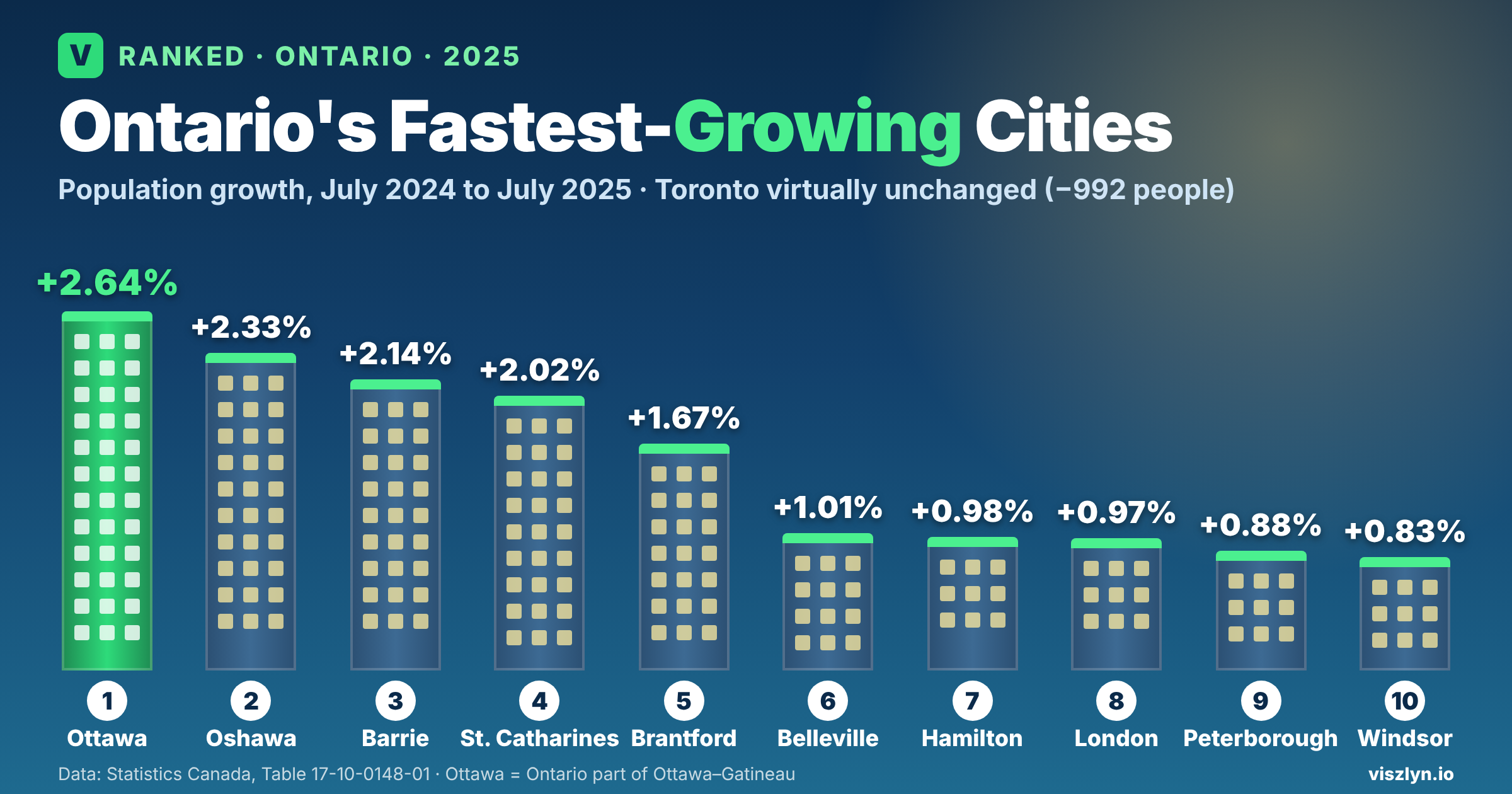
The Ontario part of Ottawa - Gatineau was Ontario's fastest-growing metro area between July 1, 2024 and July 1, 2025, growing 2.64% to 1,325,788 people, according to Statistics Canada estimates. Oshawa (2.33%) and Barrie (2.14%) were next, followed by St. Catharines - Niagara (2.02%) and Brantford (1.67%). Toronto was the only one of Ontario's 16 metro areas to shrink, by 992 people.
This ranking covers all 16 of Statistics Canada's census metropolitan areas (CMAs) in Ontario: urban regions centred on a core city and including surrounding communities closely tied to it by commuting. Growth is the change in population between July 1, 2024 and July 1, 2025, using Statistics Canada's estimates released January 14, 2026. Ottawa - Gatineau spans Ontario and Quebec, so this ranking uses its Ontario portion. Ontario as a whole grew 0.70%, from 16,144,797 to 16,258,260 people.
Smaller towns grew even faster
Some of Ontario's smaller census agglomerations, which are too small to be metro areas, grew faster than any city in this ranking: the Ontario part of Hawkesbury (3.41%), Wasaga Beach (3.29%), Tillsonburg (3.14%), Petawawa (3.03%) and Centre Wellington (2.82%). Besides Toronto, five smaller areas shrank: Sault Ste. Marie, Cobourg, Kenora, Port Hope and Pembroke, which fell the most (−0.86%).
Population growth by Ontario metro area, July 2024 to July 2025 · %
Source: Statistics Canada, Table 17-10-0148-01 (released January 14, 2026)Tap any city to jump to its full breakdown below.
Ranked #10 to #1
Windsor
Population July 1, 2025: 488,738 (+4,040)
- Population growth (1 year):
- 0.83%
- Category:
- Ontario
Windsor grew 0.83%, adding 4,040 people.
Windsor's metro area includes Leamington under Statistics Canada's 2021 boundaries. Greater Sudbury, 11th, grew 0.82%.
Source: Statistics Canada, Table 17-10-0148-01
Peterborough
Population July 1, 2025: 149,938 (+1,308)
- Population growth (1 year):
- 0.88%
- Category:
- Ontario
Peterborough grew 0.88%, adding 1,308 people.
Peterborough grew faster than Ontario as a whole (0.70%).
Source: Statistics Canada, Table 17-10-0148-01
London
Population July 1, 2025: 633,002 (+6,127)
- Population growth (1 year):
- 0.97%
- Category:
- Ontario
London grew 0.97%, adding 6,127 people.
London grew almost exactly as fast as Hamilton, 0.97% against 0.98%.
Source: Statistics Canada, Table 17-10-0148-01
Hamilton
Population July 1, 2025: 871,143 (+8,464)
- Population growth (1 year):
- 0.98%
- Category:
- Ontario
Hamilton grew 0.98%, adding 8,464 people.
Hamilton added the fourth-most people in Ontario, after Ottawa's Ontario part, Oshawa and St. Catharines - Niagara.
Source: Statistics Canada, Table 17-10-0148-01
Belleville - Quinte West
Population July 1, 2025: 124,978 (+1,258)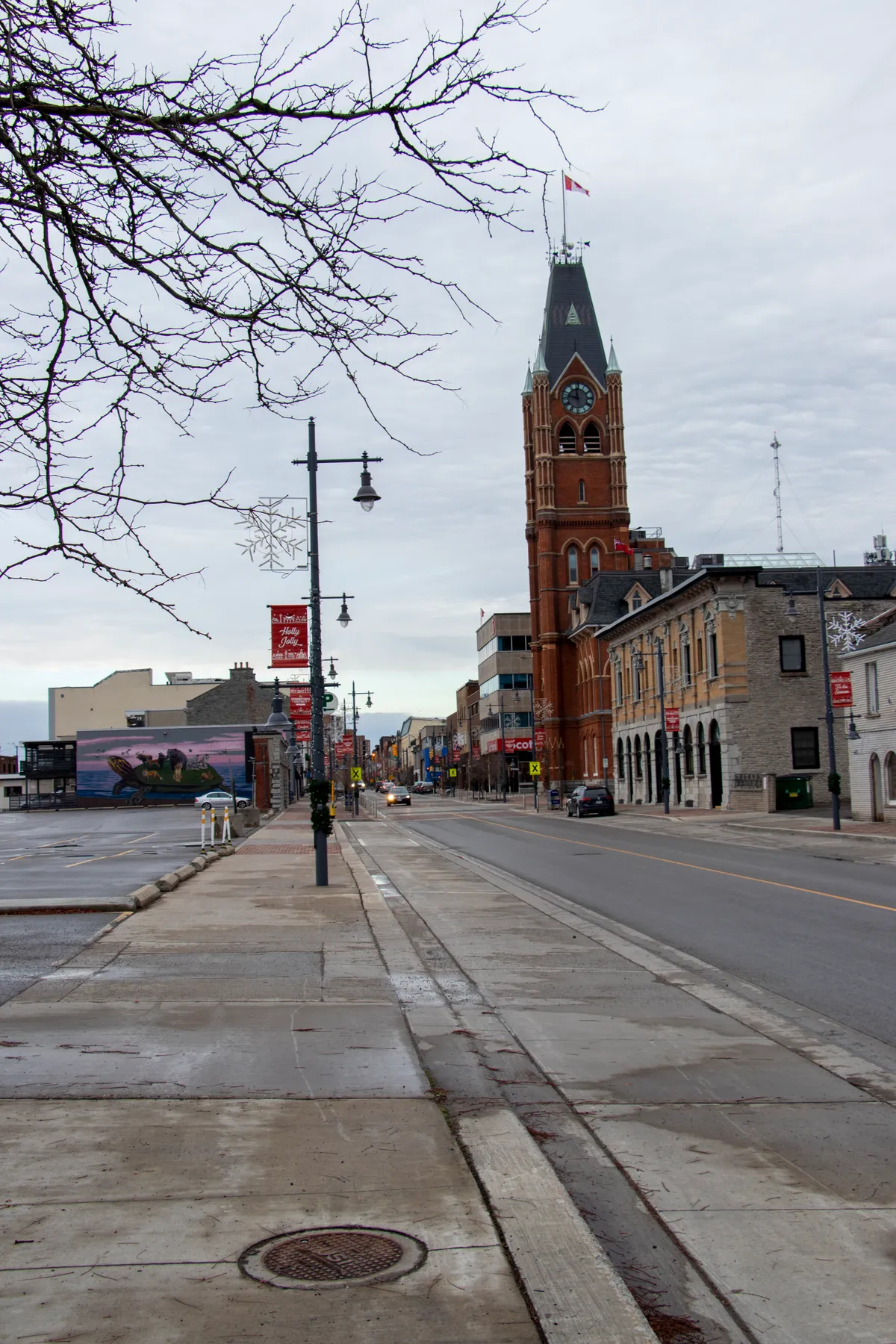
- Population growth (1 year):
- 1.01%
- Category:
- Ontario
Belleville - Quinte West, Ontario's smallest metro area, grew 1.01%.
With 124,978 people, it is the only top-10 metro area under 140,000.
Source: Statistics Canada, Table 17-10-0148-01
Brantford
Population July 1, 2025: 176,307 (+2,927)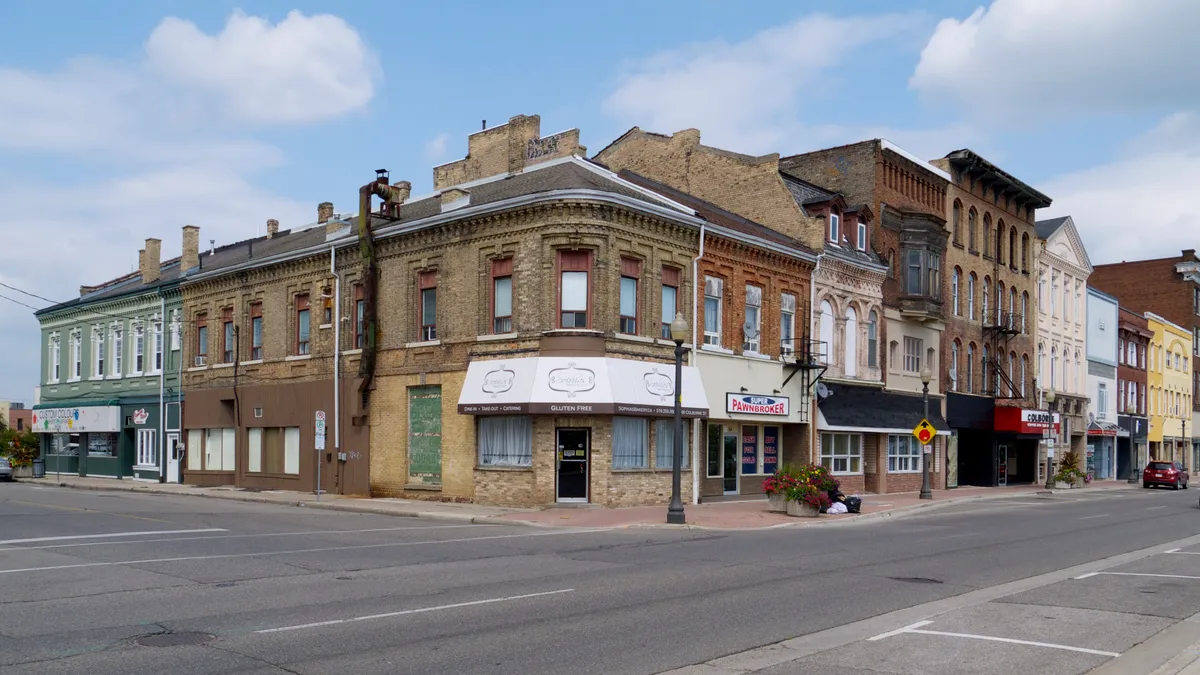
- Population growth (1 year):
- 1.67%
- Category:
- Ontario
Brantford grew 1.67%, adding 2,927 people.
It is the last Ontario metro area to grow by more than 1.5%; the next, Belleville - Quinte West, grew 1.01%.
Source: Statistics Canada, Table 17-10-0148-01
St. Catharines - Niagara
Population July 1, 2025: 503,670 (+10,062)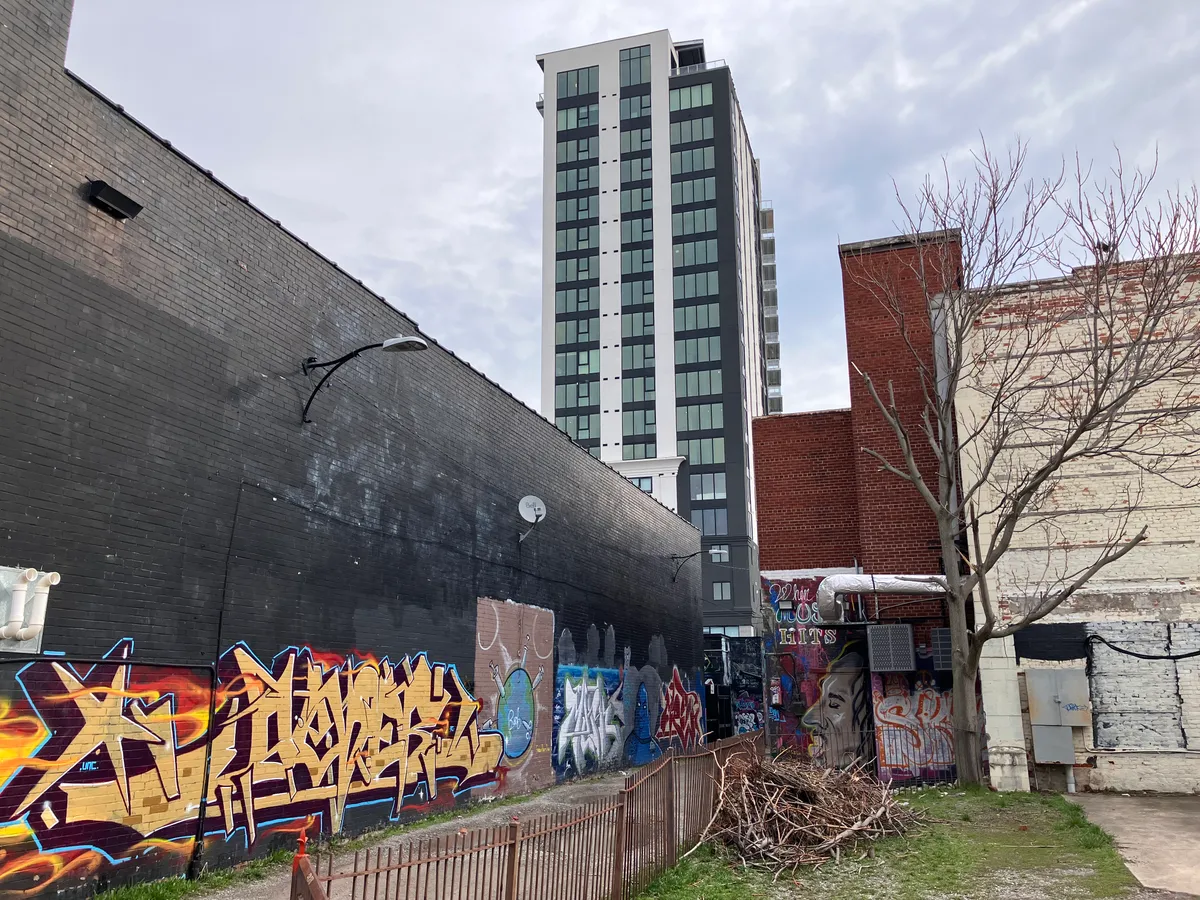
- Population growth (1 year):
- 2.02%
- Category:
- Ontario
St. Catharines - Niagara grew 2.02%, adding 10,062 people.
It passed half a million people, rising from 493,608 to 503,670.
Source: Statistics Canada, Table 17-10-0148-01
Barrie
Population July 1, 2025: 252,446 (+5,348)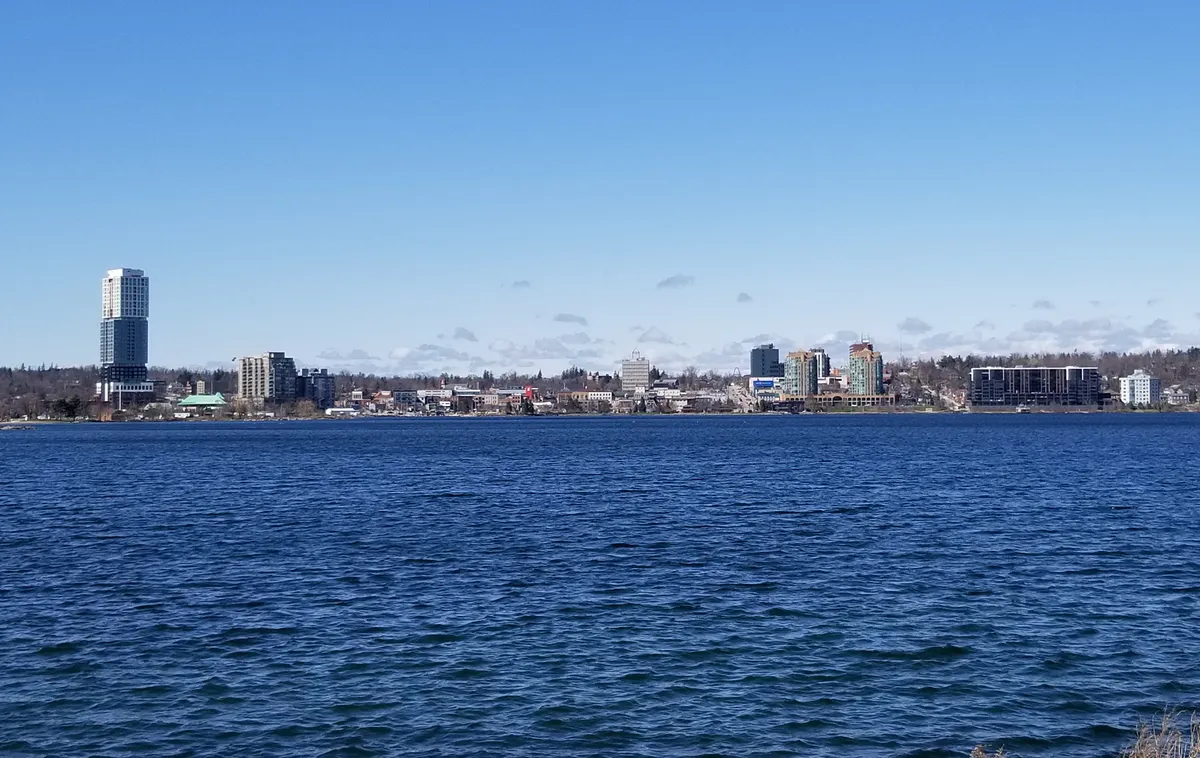
- Population growth (1 year):
- 2.14%
- Category:
- Ontario
Barrie grew 2.14%, adding 5,348 people.
Barrie, about an hour's drive north of Toronto, grew 2.14% while Toronto shrank slightly.
Source: Statistics Canada, Table 17-10-0148-01
Oshawa
Population July 1, 2025: 493,441 (+11,365)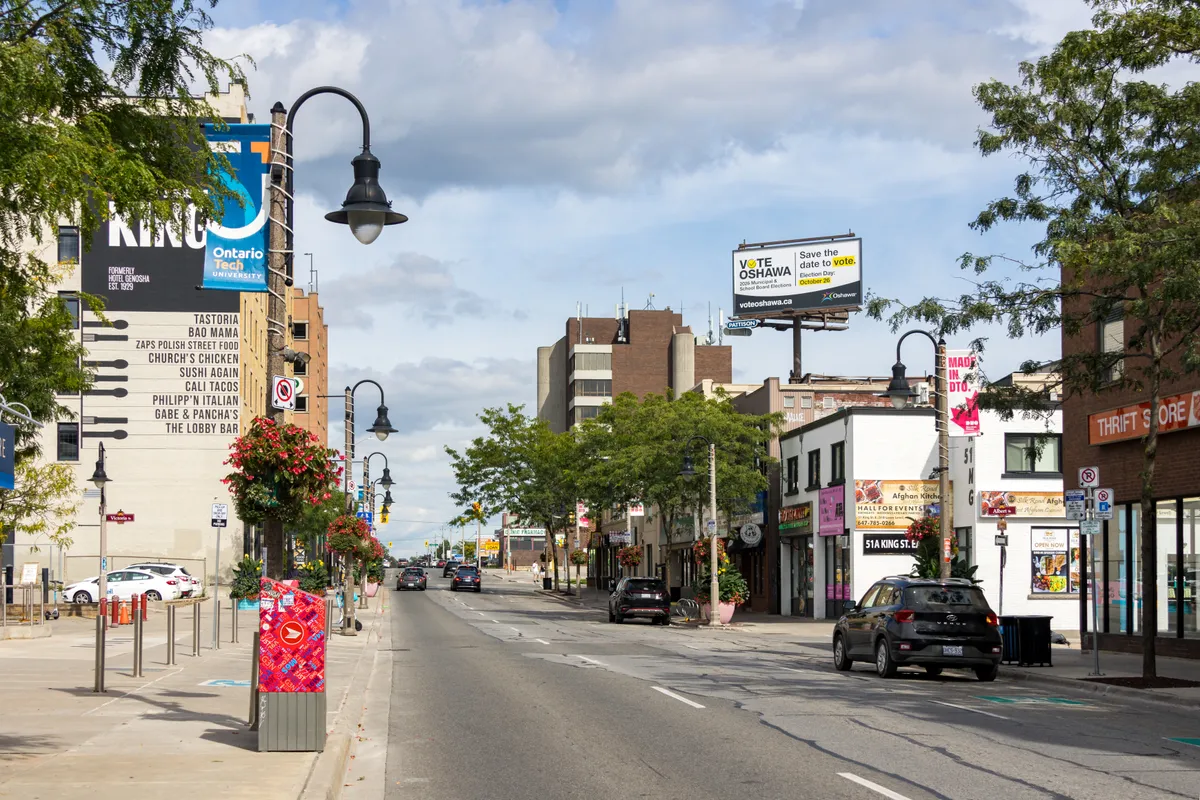
- Population growth (1 year):
- 2.33%
- Category:
- Ontario
Oshawa, east of Toronto in Durham Region, grew 2.33%.
It added 11,365 people, the second-most of any Ontario metro area.
Source: Statistics Canada, Table 17-10-0148-01
Ottawa (Ontario part)
Population July 1, 2025: 1,325,788 (+34,516)
- Population growth (1 year):
- 2.64%
- Category:
- Ontario
The Ontario side of Ottawa - Gatineau grew 2.64%, faster than any other Ontario metro area.
It added 34,516 people, 38% of all the growth in Ontario's 16 metro areas combined (90,229). Counted as one metro area with Gatineau, Ottawa - Gatineau grew 2.26%.
Source: Statistics Canada, Table 17-10-0148-01
What the numbers tell us
Ontario's 16 metro areas grew 0.67% together, adding 90,229 people. Areas outside any metro area or census agglomeration grew slightly faster, 0.79%. Kitchener - Cambridge - Waterloo (0.31%) and Guelph (0.28%) grew the least of the metro areas that grew.
- Data period:
- Population estimates for July 1, 2024 and July 1, 2025 (2021 boundaries), released January 14, 2026
- Last updated:
- November 15, 2026
- Sources:
- Statistics Canada, Table 17-10-0148-01, Population estimates, July 1, by census metropolitan area and census agglomeration, 2021 boundaries (released January 14, 2026); Statistics Canada, The Daily, "Canada's population estimates: Subprovincial areas, 2025" (January 14, 2026). Contains information licensed under the Open Government Licence – Canada / Statistics Canada Open Licence.
All 16 census metropolitan areas (CMAs) in Ontario are ranked by population growth between July 1, 2024 and July 1, 2025, using both years' estimates from the same Statistics Canada table release. The 2025 estimates are preliminary postcensal estimates; the 2024 estimates are revised estimates. Growth rates are calculated by Viszlyn as the change in population divided by the average of the July 1, 2024 and July 1, 2025 populations, multiplied by 100. This follows Statistics Canada's definition of the demographic growth rate. Ottawa - Gatineau is ranked using its Ontario portion, which Statistics Canada publishes separately; the full CMA, including its Quebec portion, grew 2.26%. Ontario's provincial total includes all CMAs, census agglomerations (CAs) and areas outside those urban regions. Each CMA uses 2021 boundaries; Windsor's CMA includes Leamington. Population estimates may be revised in future releases.
Figures marked as estimates are based on publicly available information and may vary from other published sources.
Frequently Asked Questions
Ottawa. The Ontario part of Ottawa - Gatineau grew 2.64% between July 1, 2024 and July 1, 2025, to 1,325,788 people, according to Statistics Canada. Oshawa (2.33%) and Barrie (2.14%) were second and third.