The 10 Countries With the Longest Coastlines
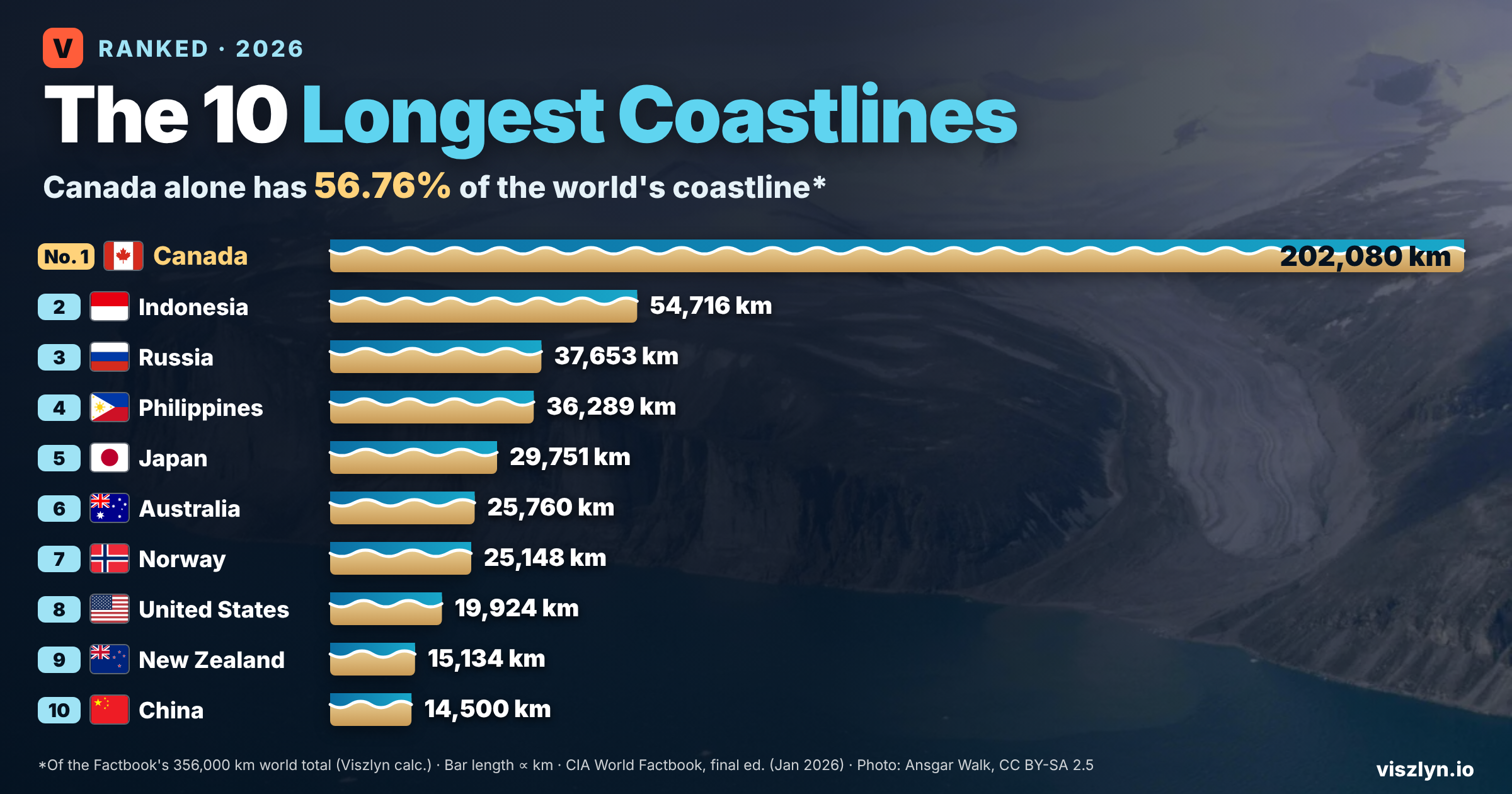
Canada's coastline is 202,080 km long, more than half of the CIA World Factbook's world total and about 3.7 times the next country's. Here are the 10 longest coastlines, ranked using one consistent source: the CIA World Factbook.
Quick Answer
Canada has the longest coastline in the world: 202,080 km, according to the CIA World Factbook. That is 56.76% of the Factbook's world total of 356,000 km (Viszlyn calculation) and about 3.7 times Indonesia's 54,716 km in second place. Russia (37,653 km), the Philippines (36,289 km) and Japan (29,751 km) complete the top five.
A coastline has no single true length: the finer you measure, the longer it gets, because a smaller ruler follows more bays and inlets. That is why rankings from different sources disagree, sometimes wildly. This ranking uses one source for every country: the CIA World Factbook's Coastline field, from its final edition of January 2026 (the CIA closed the Factbook in February 2026). Island coastlines count when the Factbook includes them, which is why archipelagos like Indonesia, the Philippines and Japan rank so high. Only sovereign countries are ranked, so Greenland, part of the Kingdom of Denmark, is listed separately.
Why not Norway at 83,281 km?
Many lists put Norway second with 83,281 km. That number is not one the Factbook publishes. The Factbook gives Norway's coastline as 25,148 km (2,650 km of mainland plus 22,498 km of long fjords, numerous small islands and minor indentations) and lists a further 58,133 km of island coastlines separately. Adding the two gives 83,281 km (Viszlyn calculation), which would place Norway second. To keep one consistent measure for every country, we rank Norway on its published 25,148 km, which puts it seventh.
Coastline length (km)
Source: CIA World Factbook, final edition (January 2026), Coastline fieldTap any country to jump to its details below.
Ranked #10 to #1
- Coastline:
- 14,500 km
- Category:
- Asia
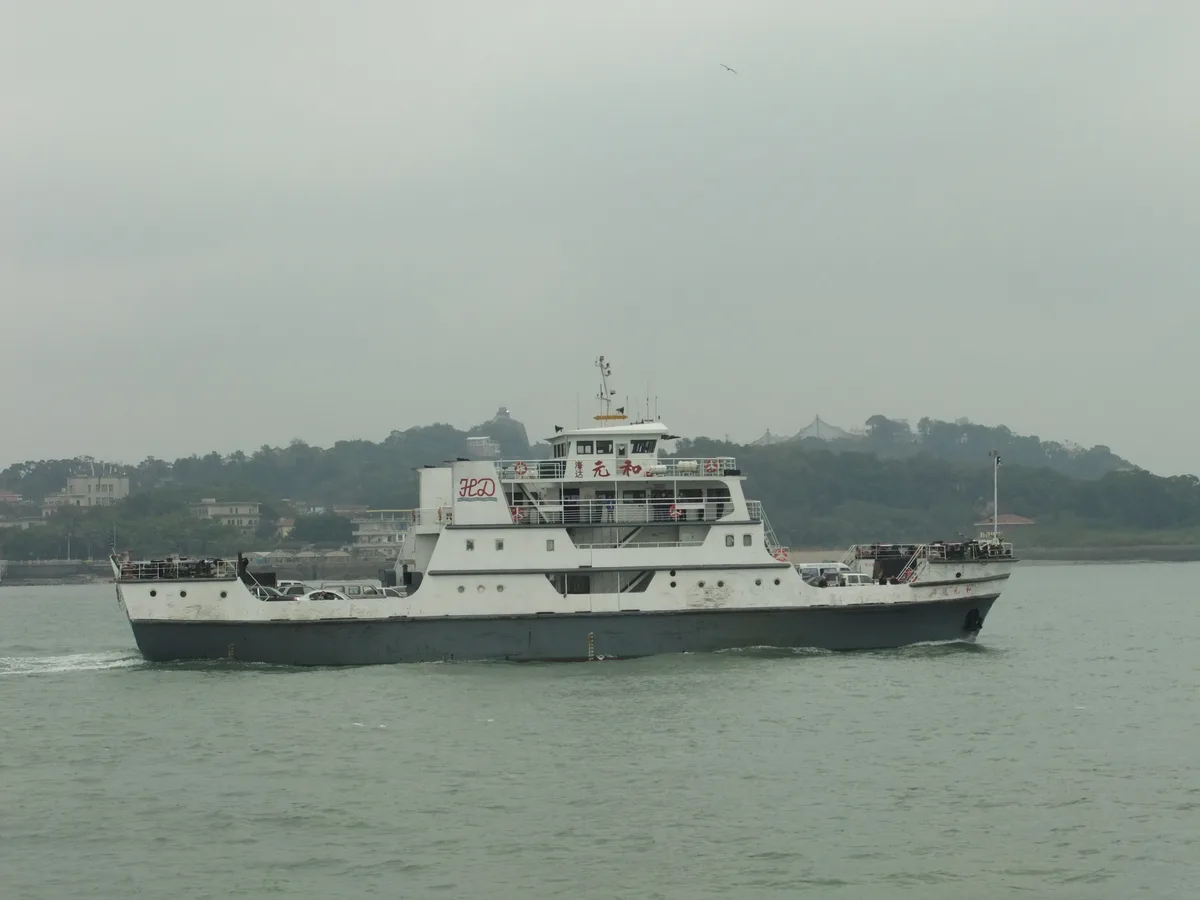
China's coastline measures 14,500 km in the Factbook, which publishes one national figure without a split between the mainland and islands.
About five typhoons a year strike China's southern and eastern coasts, according to the Factbook.
Source: CIA World Factbook, final edition (January 2026), China entry, via the factbook.json archive
- Coastline:
- 15,134 km
- Category:
- Oceania
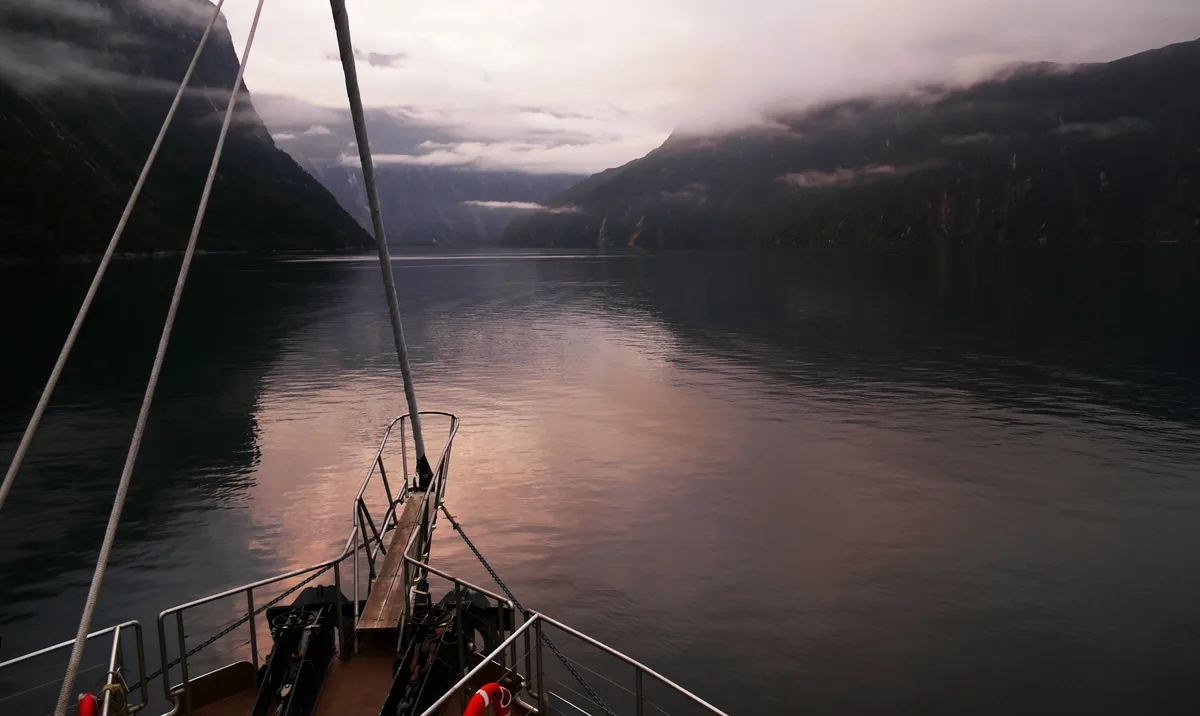
New Zealand's 15,134 km includes its outlying island groups: the Antipodes, Auckland, Bounty, Campbell, Chatham and Kermadec Islands.
Its South Island is the world's 12th-largest island and its North Island the 14th-largest, according to the Factbook.
Source: CIA World Factbook, final edition (January 2026), New Zealand entry, via the factbook.json archive
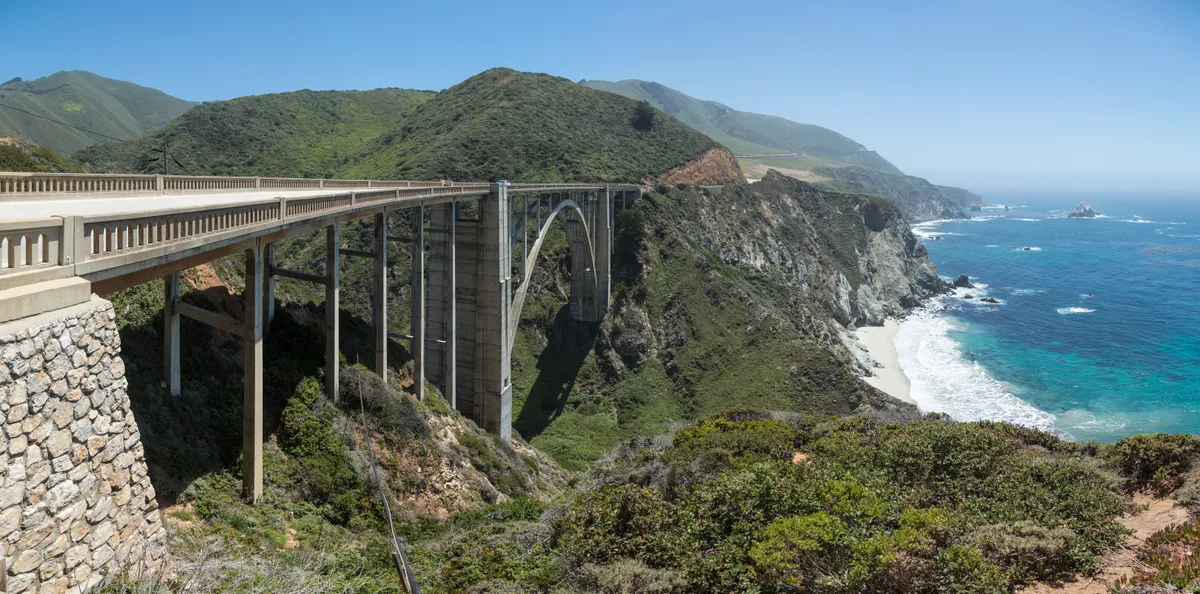
- Coastline:
- 19,924 km
- Category:
- North America
The US figure of 19,924 km covers the 50 states and the District of Columbia. Overseas territories such as Puerto Rico and Guam are not included.
Alaska's Aleutian island chain alone extends about 1,800 km, with 14 larger islands, 55 smaller islands and hundreds of islets.
Source: CIA World Factbook, final edition (January 2026), United States entry, via the factbook.json archive
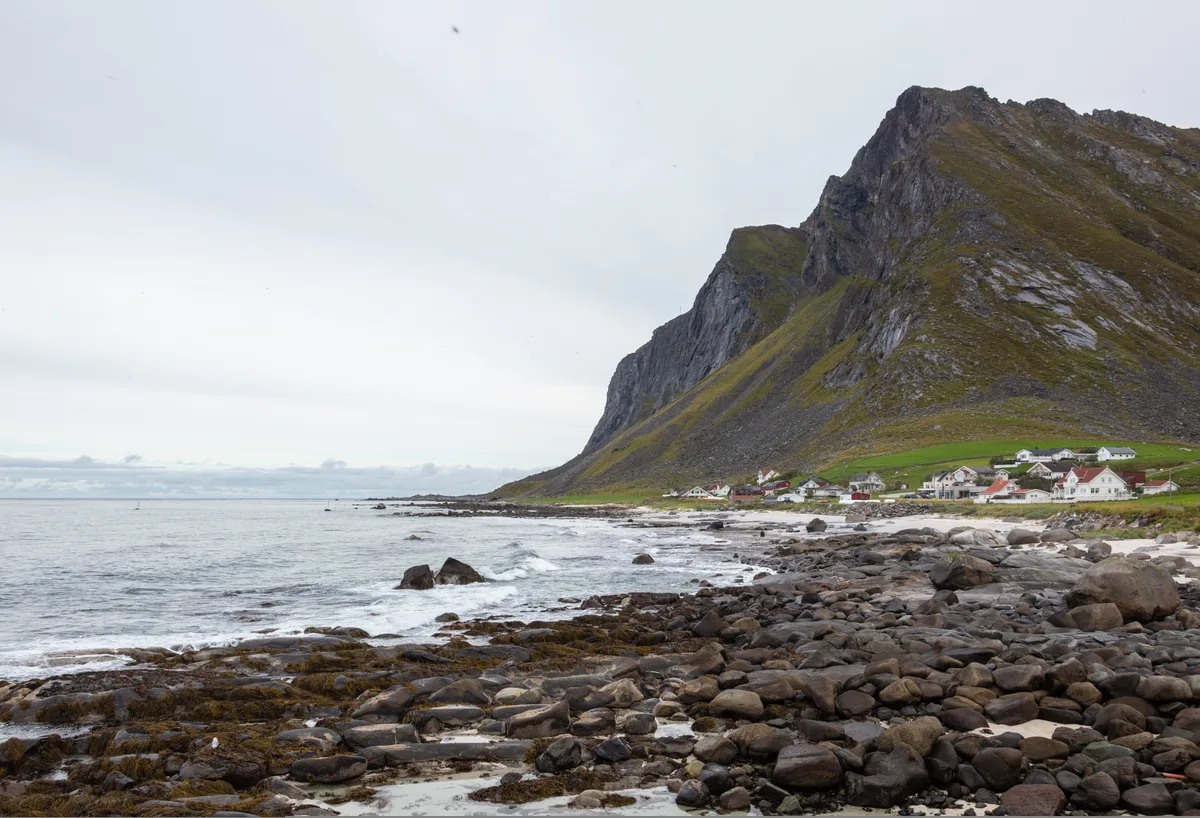
- Coastline:
- 25,148 km
- Category:
- Europe
The Factbook's 25,148 km is made up of 2,650 km of mainland coast and 22,498 km of long fjords, numerous small islands and minor indentations. It lists a further 58,133 km of island coastlines separately.
Some 50,000 islands lie off Norway's much-indented coastline, according to the Factbook. Counting their 58,133 km too would give 83,281 km (Viszlyn calculation); see the box above.
Source: CIA World Factbook, final edition (January 2026), Norway entry, via the factbook.json archive
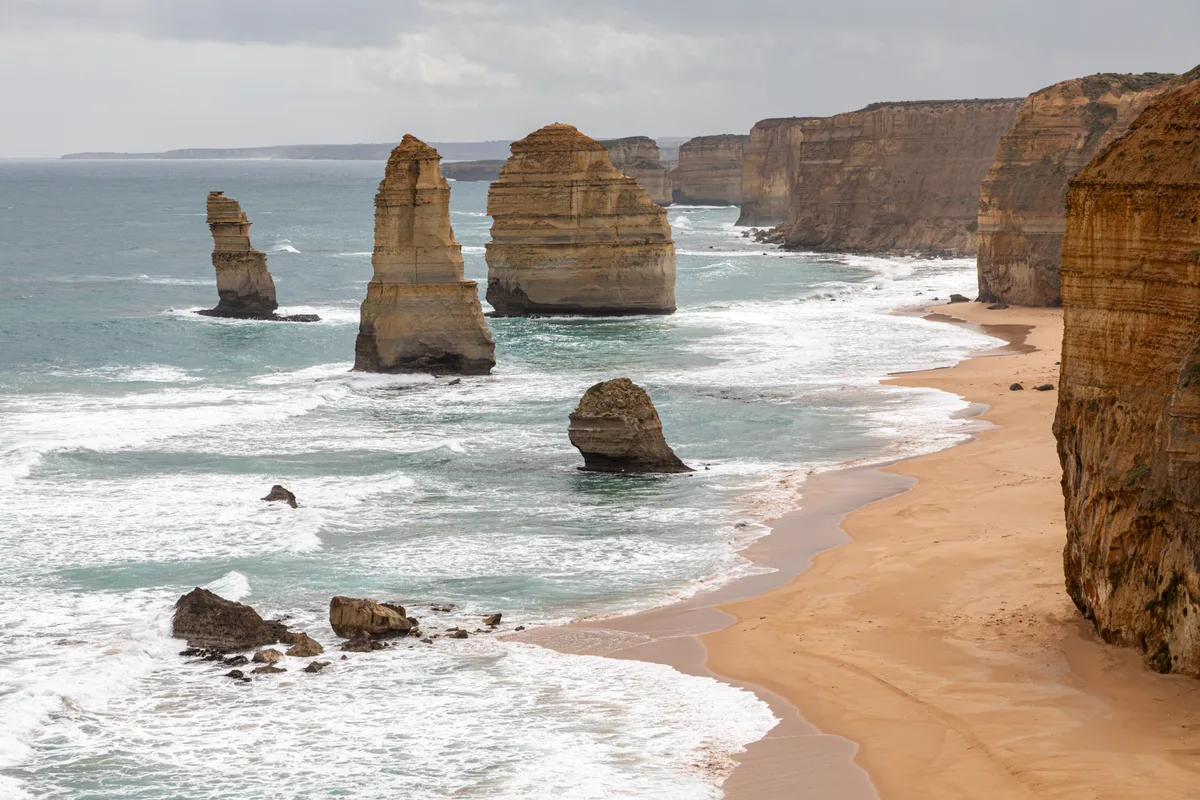
- Coastline:
- 25,760 km
- Category:
- Oceania
Australia's coastline measures 25,760 km. Australia's Factbook entry covers Lord Howe Island and Macquarie Island.
It is the largest country entirely in the Southern Hemisphere and the largest country without land borders, according to the Factbook.
Source: CIA World Factbook, final edition (January 2026), Australia entry, via the factbook.json archive
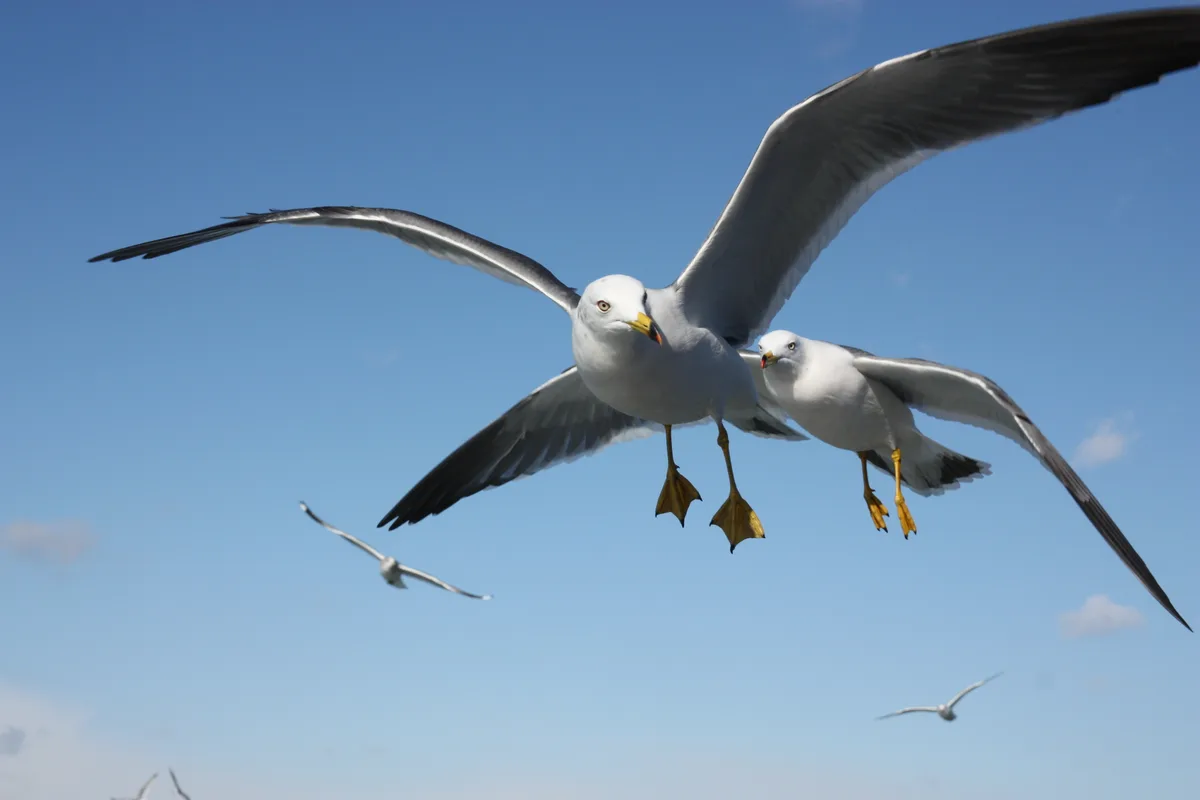
- Coastline:
- 29,751 km
- Category:
- Asia
Japan is an archipelago, so its 29,751 km is the combined coastline of its islands.
A 2023 survey by the Geospatial Information Authority of Japan officially counted 14,125 islands with a circumference of 100 m or more.
Source: CIA World Factbook, final edition (January 2026), Japan entry, via the factbook.json archive
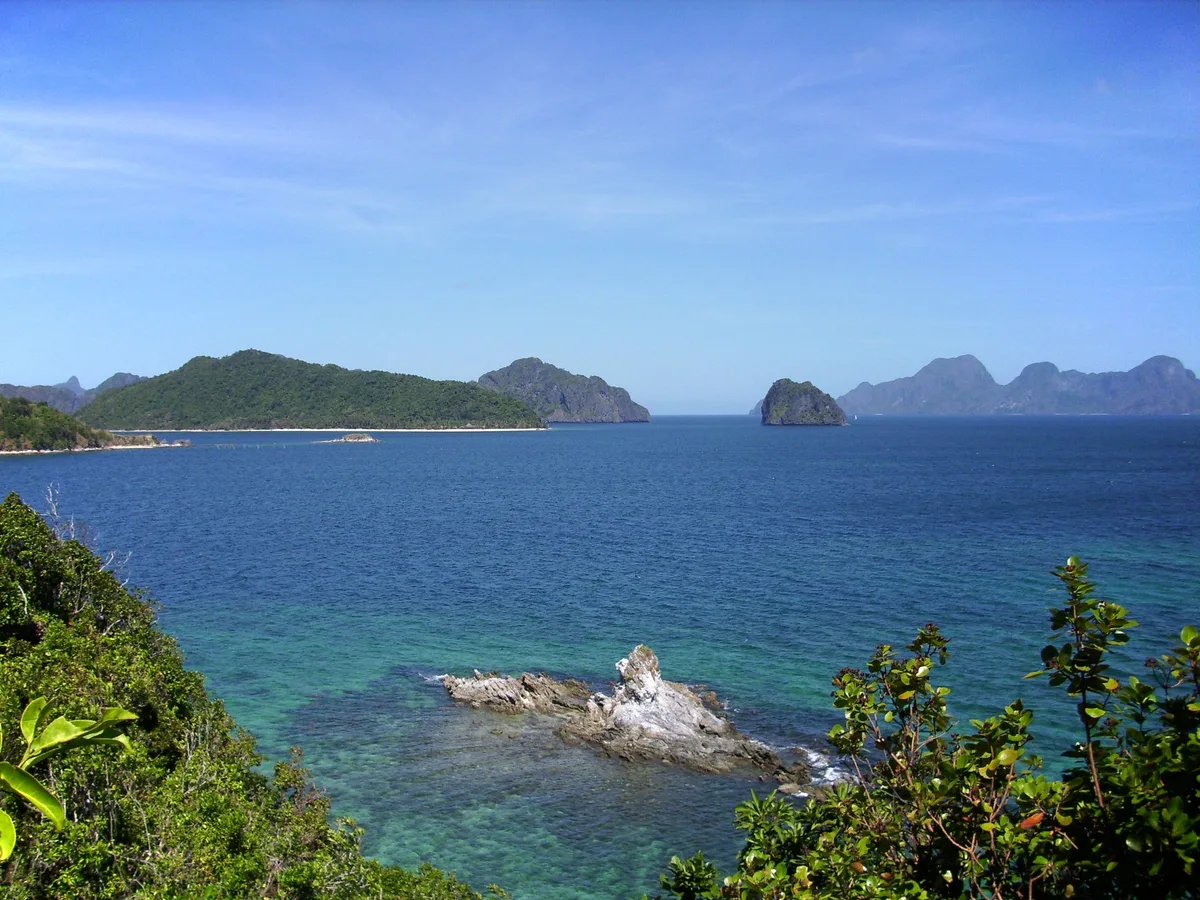
- Coastline:
- 36,289 km
- Category:
- Asia
The Philippines is an archipelago, and its 36,289 km is the combined coastline of its islands.
In 2016 the national mapping authority, NAMRIA, raised the official island count from 7,107 to 7,641.
Source: CIA World Factbook, final edition (January 2026), Philippines entry, via the factbook.json archive
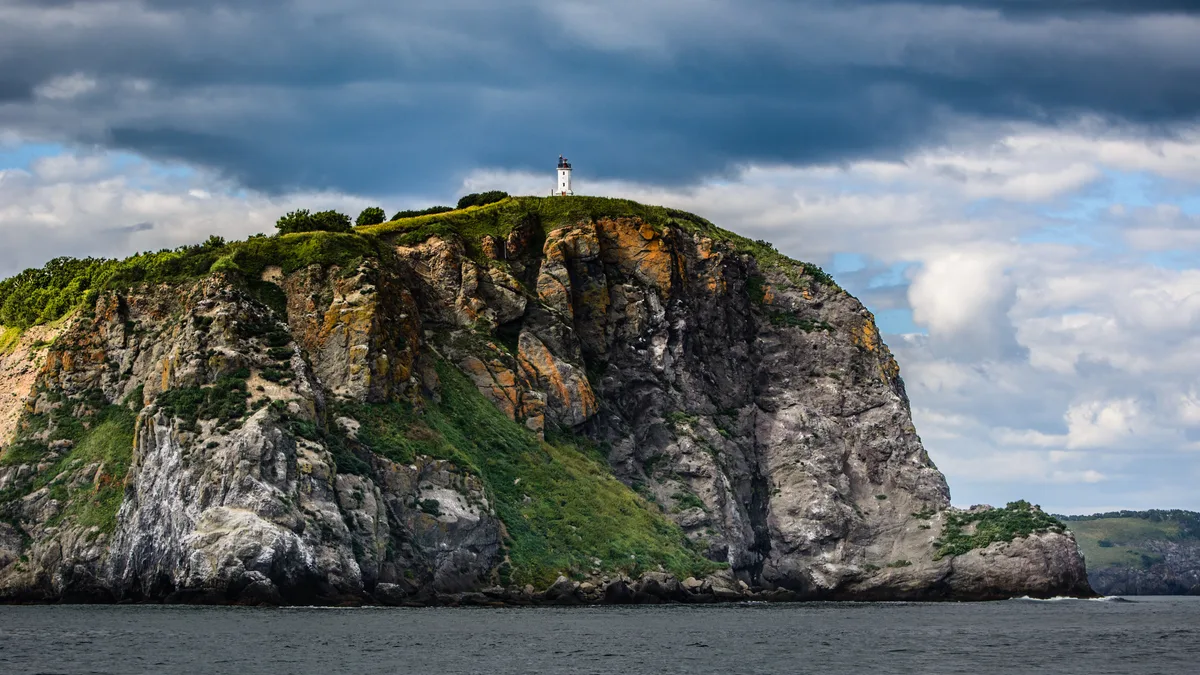
- Coastline:
- 37,653 km
- Category:
- Europe and Asia
Russia's coastline measures 37,653 km in the Factbook, which gives one national figure without a split between the mainland and islands.
Kaliningrad, a Russian exclave on the Baltic, has Russia's only Baltic port that stays ice-free in winter, according to the Factbook.
Source: CIA World Factbook, final edition (January 2026), Russia entry, via the factbook.json archive
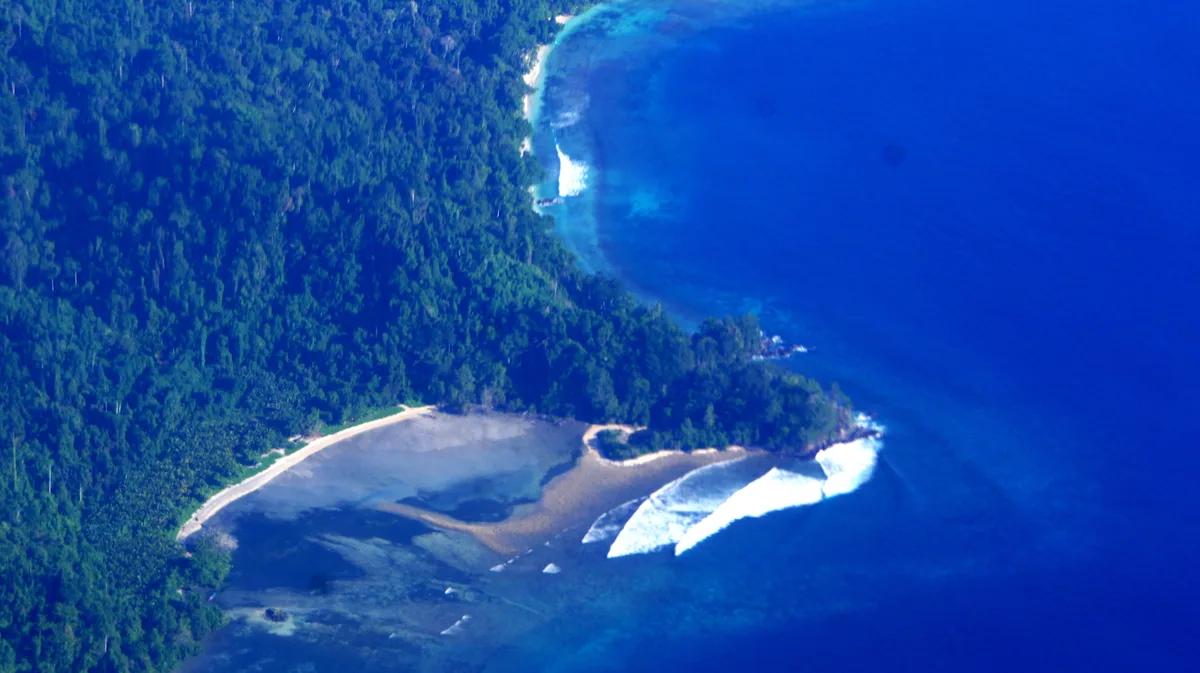
- Coastline:
- 54,716 km
- Category:
- Asia
Indonesia's 54,716 km is the combined coastline of its islands. It is the world's largest country made up only of islands.
Indonesia has 13,466 islands, 922 of them permanently inhabited, according to the Factbook.
Source: CIA World Factbook, final edition (January 2026), Indonesia entry, via the factbook.json archive
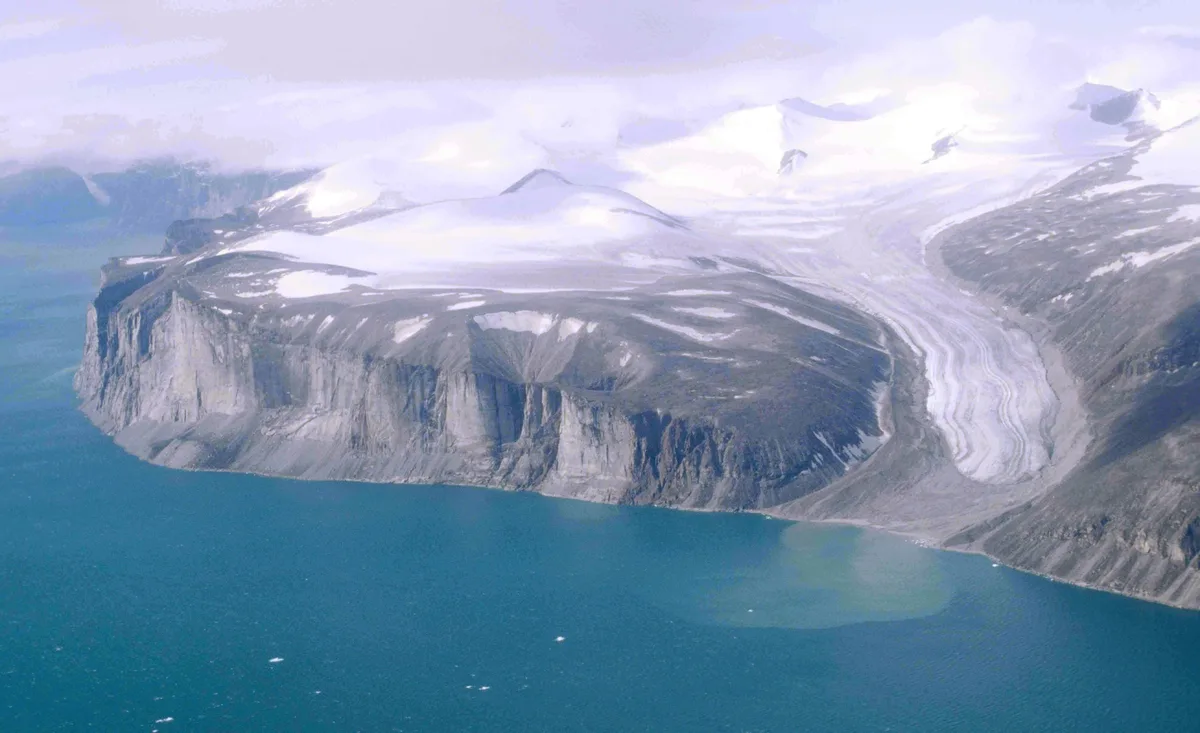
- Coastline:
- 202,080 km
- Category:
- North America
Canada's 202,080 km includes the coastlines of the Canadian Arctic Archipelago. It is about 3.7 times Indonesia's coastline in second place (Viszlyn calculation) and more than half of the Factbook's world total of 356,000 km.
The Arctic Archipelago alone consists of 36,563 islands, according to the Factbook.
Source: CIA World Factbook, final edition (January 2026), Canada entry, via the factbook.json archive
What the numbers tell us
Share calculated by Viszlyn. The Factbook's world total is published as a round 356,000 km, so the percentage is approximate.
- Data period:
- CIA World Factbook, final edition (January 2026)
- Last updated:
- November 22, 2026
- Sources:
- CIA World Factbook, Coastline field and country entries, final edition (last updated January 22, 2026; the CIA took the Factbook offline on February 4, 2026), read from the factbook.json archive of that edition. World Resources Institute (EarthTrends) and the coastline-paradox examples via Wikipedia's list of countries by length of coastline.
- Source links:
- CIA World Factbook, final edition (factbook.json archive, pinned version used)
- Factbook final edition: World entry, 356,000 km total (archived data)
- Factbook final edition: Canada entry (archived data)
- Factbook final edition: Norway entry (archived data)
- Wikipedia: List of countries by length of coastline (tabulates WRI EarthTrends figures; coastline paradox)
Countries are ranked by the Factbook's published Coastline figure in kilometres, exactly as published. This is a ranking of that published field, not a definitive measurement of every country's total physical coastline: the Factbook does not state the scale behind its figures, and its treatment of islands is not identical for every country. One source is used for every country because coastline length depends on the scale of measurement, so figures from different sources are not comparable. Island coastlines count where the Factbook includes them in the published figure; for Norway, the Factbook lists 58,133 km of island coastlines separately from its 25,148 km figure, and we rank the published figure (see the box above). Only sovereign countries are ranked: Greenland (44,087 km), a self-governing part of the Kingdom of Denmark, is a separate Factbook entry and is not included in Denmark's 7,314 km. If it were ranked, it would sit between Indonesia and Russia. Shares of the world total and ratios between countries are Viszlyn calculations. Because the Factbook has closed, these are its final figures.
Figures marked as estimates are based on publicly available information and may vary from other published sources.
Frequently Asked Questions
Canada, with 202,080 km according to the CIA World Factbook. That is more than half of the Factbook's world total of 356,000 km and about 3.7 times the coastline of Indonesia, which ranks second with 54,716 km.